Bound for Glory
Entertainment
4 min read
Updated By: History Editorial Network (HEN)
Published:
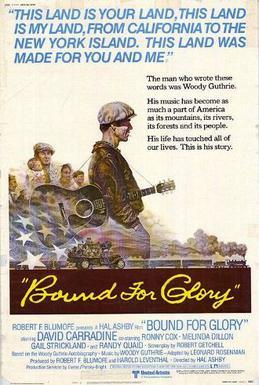
Bound for Glory (1976) is a biographical drama directed by Hal Ashby, chronicling the early life and rise of American folk singer and political activist Woody Guthrie. David Carradine stars in a restrained yet powerful performance as Guthrie, portraying his journey from a struggling sign painter in Dust Bowl-ravaged Texas to a voice of the working class during the Great Depression. The film follows his hobo travels across the country by freight trains, his encounters with migrant workers, and his growing disillusionment with capitalist exploitation. As Guthrie begins to find his voice through music, he becomes a symbol of rebellion and hope, crafting songs that would go on to shape American folk culture.
While not a commercial blockbuster, the film earned critical acclaim and became a landmark in biographical and political cinema. It grossed modestly at the box office but made a strong impact with its visual storytelling and social themes. Bound for Glory was the first feature film to use the Steadicam, and it earned Haskell Wexler the Academy Award for Best Cinematography. It also won the Oscar for Best Original Score and received four additional nominations including Best Picture and Best Adapted Screenplay. Carradine's performance was praised for its authenticity and quiet intensity, earning him a nomination for a Golden Globe. The film’s legacy lies in its poetic realism, humanizing a legendary figure without mythologizing him, and portraying the economic despair of 1930s America with unflinching beauty. It remains a vital work in the canon of socially conscious cinema and folk music history.
Primary Reference
Gambling on a Film About the Great Depression

Explore the Life Moments of
 AI Twin