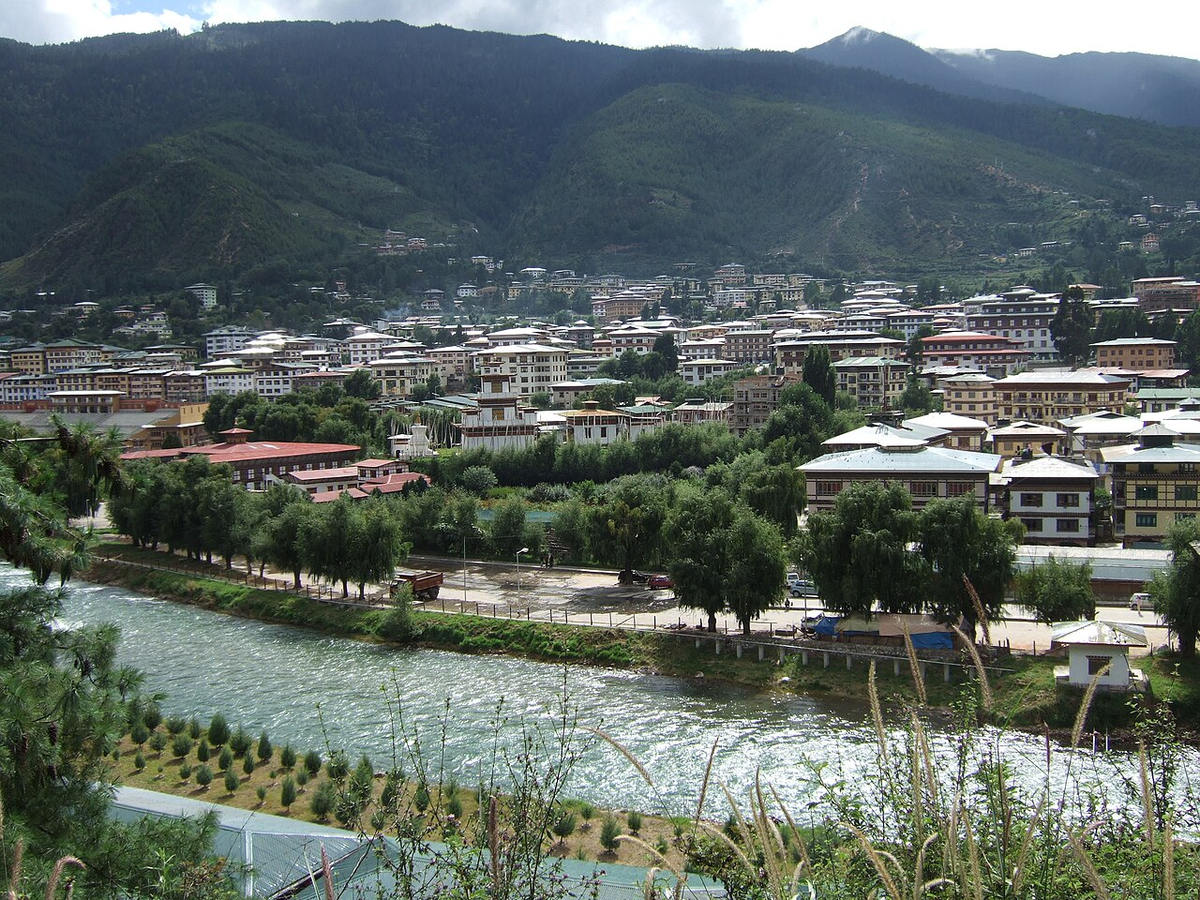
Thimphu in became the capital city of Bhutan.

Political
Economic Growth
3 min read
Updated By: History Editorial Network (HEN)
Published:
Founded in the 13th century, the city of Thimphu in Bhutan became the capital in 1961. This decision marked a significant shift from the ancient capital, Punakha, due to Thimphu's central location and better infrastructure. The relocation aimed to centralize governance and improve administrative efficiency.
The change brought about economic growth, as Thimphu quickly developed into the country's political, economic, and cultural hub. The city's population grew rapidly, attracting people from rural areas seeking better opportunities. This influx led to urbanization and the establishment of new businesses, contributing to Thimphu's vibrant atmosphere.
As the capital, Thimphu now houses the royal residence, government offices, foreign embassies, and international organizations. It hosts important events, festivals, and diplomatic meetings, enhancing Bhutan's global presence. Thimphu's modernization has preserved Bhutanese traditions while embracing development, making it a unique blend of old-world charm and contemporary amenities.
The city's transformation signifies Bhutan's progress and adaptability to meet modern challenges while staying true to its heritage. Thimphu's elevation as the capital underscores the country's commitment to promoting growth and innovation while maintaining its cultural identity.
#ThimphuCapital #BhutanModernization #UrbanGrowth #CulturalHeritage
Primary Reference
Thimpu, Bhutan | GRID-Arendal

Explore the Life Moments of
 AI Twin