Tibetan Buddhism State Religion in Bhutan

Religion
Cultural Exchange
3 min read
Updated By: History Editorial Network (HEN)
Published:
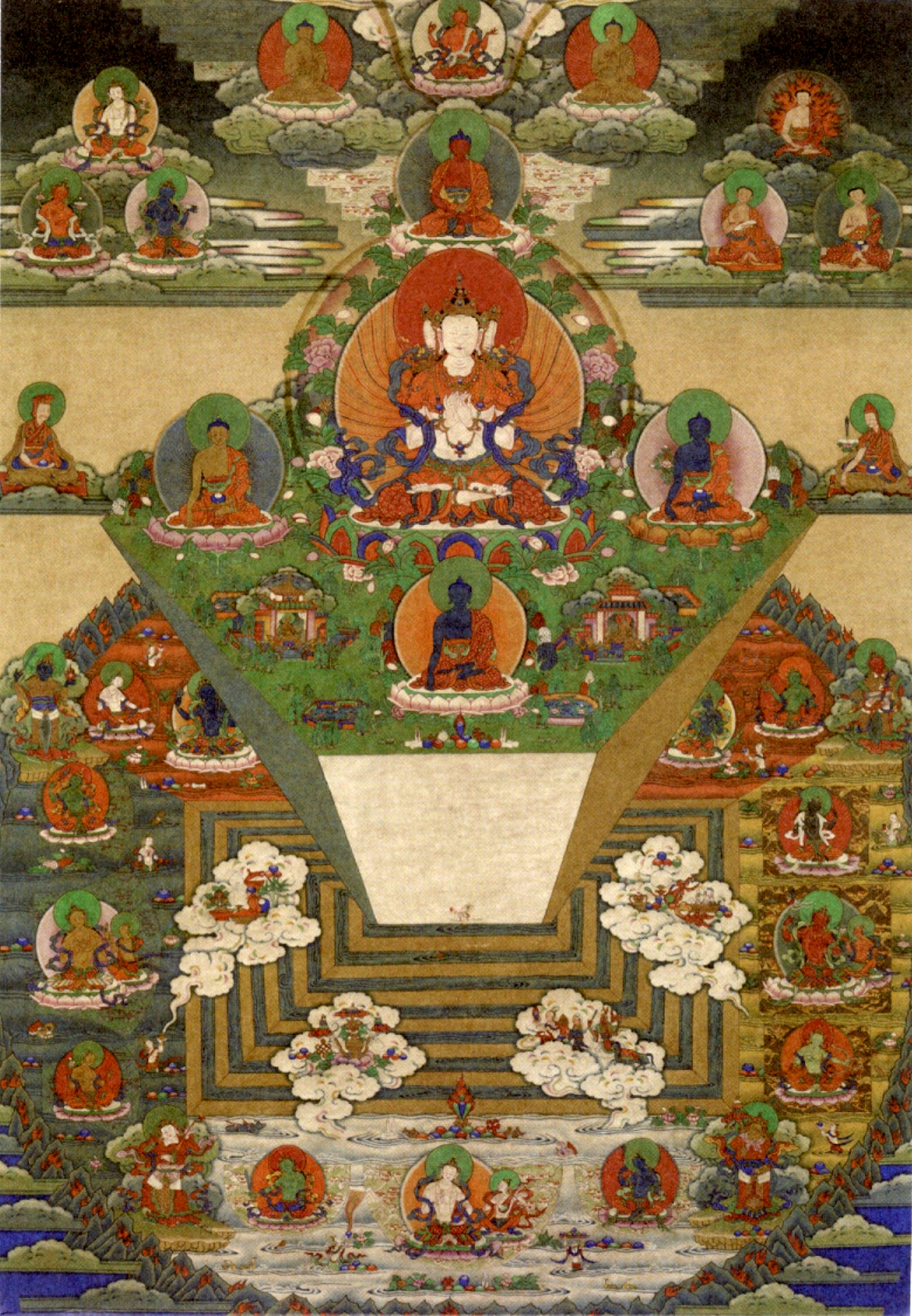
In 1000, the Tibetan Buddhist tradition was formally established as the state religion in Bhutan. This landmark decision was influenced by the spread of Buddhism across the region and the close cultural ties between Bhutan and Tibet. Monasteries and temples were built, and Buddhist teachings and practices were incorporated into all aspects of Bhutanese society.
The impact of this establishment was profound, shaping Bhutanese identity, culture, and governance for centuries to come. The Buddhist principles of compassion, mindfulness, and non-violence became deeply ingrained in the fabric of Bhutanese society, influencing laws, customs, and the moral code of its people. Monks and lamas gained significant influence and wielded spiritual authority alongside the secular rulers of the country.
The adoption of Tibetan Buddhism as the state religion in Bhutan also solidified the diplomatic and religious ties between the two regions, fostering a cultural exchange that enriched both societies. Pilgrimages to sacred sites in Tibet became common among Bhutanese Buddhists, further strengthening the bond between the two nations.
This event marked a pivotal moment in Bhutanese history, shaping the country's spiritual and cultural landscape in profound ways. #Bhutan #TibetanBuddhism #StateReligion
Primary Reference
Bhutan - United States Department of State

Explore the Life Moments of
 AI Twin