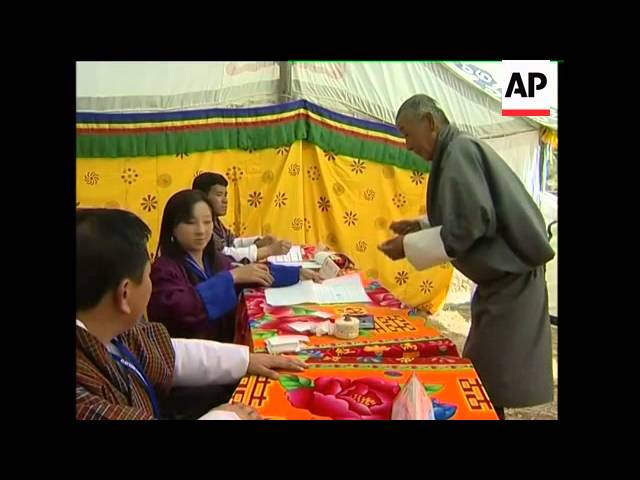
First Parliamentary Elections in Bhutan: Transition to Constitutional Monarchy

Political
Global Trade
3 min read
Updated By: History Editorial Network (HEN)
Published:
Bhutan marked a historic milestone as it conducted its inaugural parliamentary elections, marking a shift from absolute monarchy to constitutional monarchy. This marked the beginning of a new era for the nation, characterized by democratic principles and representation.
The transition had been gradual, initiated by King Jigme Singye Wangchuck's decision to decentralize power and establish a democratic system. Under his reign, a new constitution was drafted, granting the people greater rights and instituting a bicameral parliament.
The elections were met with enthusiasm and participation from the Bhutanese populace, eager to shape the future of their country through their votes. Political parties emerged, presenting varied platforms and visions for Bhutan's development.
The impact of these elections was profound, setting the stage for a more inclusive and participatory governance system. It marked a significant shift towards democracy, symbolizing Bhutan's commitment to progress and modernization while preserving its unique cultural heritage.
As Bhutan embraced democracy, the parliamentary elections signified a pivotal moment in its history, paving the way for a more transparent and accountable government. #Bhutan #ParliamentaryElections #Democracy #ConstitutionalMonarchy
Primary Reference
Bhutan (10/08)

Explore the Life Moments of
 AI Twin