Rana Plaza collapse
Bangladesh
Global Trade
Ethical Manufacturing Practices
10 min read
Updated By: History Editorial Network (HEN)
Published:
The Rana Plaza collapse, which occurred on April 24, 2013, stands as one of the most devastating industrial disasters in history. The building, located in Savar, a sub-district near Dhaka, Bangladesh, housed several garment factories, a bank, apartments, and a handful of shops. The tragedy highlighted severe issues within the global garment industry, including poor working conditions, inadequate building standards, and the exploitation of workers in developing countries.
Background and Structure of Rana Plaza
Construction and Use
Rana Plaza was an eight-story commercial building owned by Sohel Rana. Originally designed for shops and offices, additional floors were added to house garment factories, violating construction codes and compromising structural integrity. The upper floors contained garment factories producing clothing for global brands, employing thousands of workers, predominantly women.
The Collapse
Warning Signs
A day before the collapse, significant cracks appeared in the building, prompting the evacuation of the bank and shops on the lower floors. However, factory owners insisted that garment workers return to work the following day, despite clear evidence of structural danger. Pressure to meet production deadlines and fear of losing their jobs compelled many workers to enter the unsafe building.
The Catastrophe
On the morning of April 24, 2013, the building collapsed, trapping over 3,500 workers under the rubble. The collapse was rapid and catastrophic, leaving little time for escape. Rescue operations were launched immediately, but the scale of the disaster made them challenging and dangerous. For days, rescue workers and volunteers worked tirelessly to save those trapped, often with limited equipment and resources.
Aftermath and Casualties
Human Toll
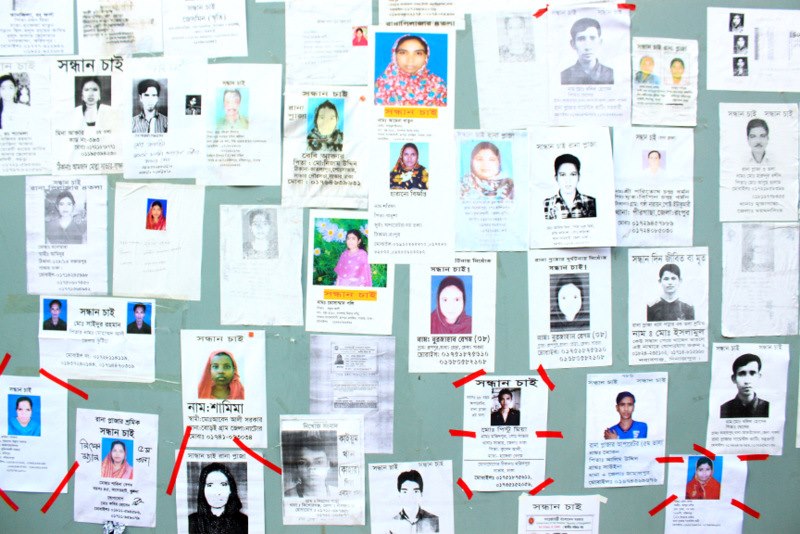
The collapse resulted in the deaths of 1,134 people and injured approximately 2,500 others, making it the deadliest garment factory disaster in history. The tragedy brought immense grief to the victims' families and the nation as a whole. The survivors were left with severe injuries, including amputations and long-term disabilities, while many families lost their primary breadwinners.
Global Response
The Rana Plaza disaster sparked international outrage and brought significant attention to the working conditions in the global garment industry. Activists, labor unions, and consumers around the world demanded better safety standards and accountability from brands sourcing their products from Bangladesh.
Impact on the Garment Industry
Safety Reforms
In response to the disaster, several initiatives were launched to improve factory safety in Bangladesh. The Accord on Fire and Building Safety, a legally binding agreement between global brands, retailers, and trade unions, aimed to ensure that factories in Bangladesh were inspected and brought up to international safety standards. The Alliance for Bangladesh Worker Safety, another initiative, focused on similar goals, providing training and resources to improve working conditions.
Corporate Responsibility
The collapse prompted many global brands to reassess their supply chain practices. There was a greater emphasis on corporate social responsibility, with companies committing to more rigorous oversight of their suppliers. Some brands contributed to compensation funds for the victims and their families, acknowledging their role in the supply chain.
Legislative Changes
The Bangladeshi government, under intense international and domestic pressure, implemented several labor law reforms to enhance worker safety and rights. These included stricter building codes, more rigorous factory inspections, and greater support for workers' unions. The government also established a new minimum wage for garment workers, although debates about its adequacy continued.
Legacy and Continuing Challenges
Commemoration
The Rana Plaza collapse remains a somber reminder of the human cost of fast fashion. Annual commemorations and ongoing advocacy efforts keep the victims' memories alive and continue to push for better labor practices in the garment industry.
Ongoing Issues
Despite the reforms, challenges persist. Many workers still face unsafe conditions, low wages, and limited rights. The demand for cheap, fast fashion perpetuates a cycle of exploitation and inadequate safety measures. Continued vigilance, advocacy, and consumer awareness are necessary to ensure lasting improvements.
In conclusion, the Rana Plaza collapse was a pivotal moment in the history of labor rights and industrial safety. It exposed the harsh realities of the global garment industry and spurred significant, though not entirely sufficient, reforms. The disaster serves as a call to action for better working conditions, stronger regulations, and ethical consumption practices.
#MomentsOfLife #MoofLife_Moment #MoofLife #RanaPlaza #GarmentIndustry #LaborRights
Primary Reference
Rana Plaza — Clean Clothes Campaign

Explore the Life Moments of
 AI Twin