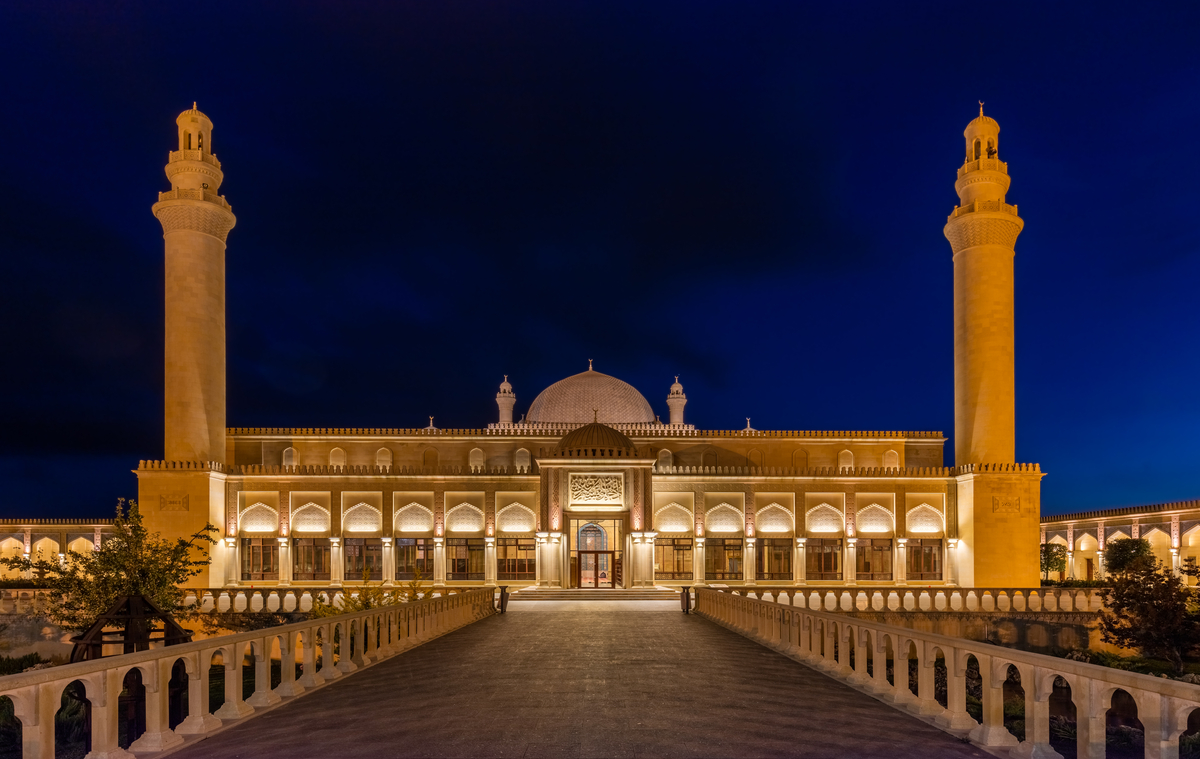
Construction of the historical Juma Mosque in Shamakhi
Azerbaijan
Architecture
3 min read
Updated By: History Editorial Network (HEN)
Published:
The construction of the Juma Mosque in Shamakhi marked a crucial development in Azerbaijan's architectural and religious history. The mosque, believed to have been built in 743, holds significance as one of the earliest Islamic structures in the region. Its design and construction reflect the influence of early Islamic architecture from the Umayyad period.
The Juma Mosque's significance extends beyond its architectural beauty. It served as a center for religious and social gatherings, fostering community cohesion and spiritual growth among the residents of Shamakhi. The mosque's strategic location along the historic Silk Road also contributed to its importance as a hub for cultural exchange and commerce.
Over the centuries, the Juma Mosque in Shamakhi has witnessed numerous historical events and architectural modifications, reflecting the evolving cultural landscape of Azerbaijan. Despite facing natural disasters and invasions, the mosque has stood as a testament to the resilience and enduring legacy of Islamic architecture in the region.
Today, the Juma Mosque continues to be a vital cultural landmark, attracting visitors from around the world who come to admire its architectural splendor and immerse themselves in the rich history of Azerbaijan. The mosque stands as a symbol of religious tolerance and cultural identity, embodying the spirit of unity and diversity that defines the Azerbaijani people.
#JumaMosque #Shamakhi #AzerbaijanHistory #IslamicArchitecture

Explore the Life Moments of
 AI Twin