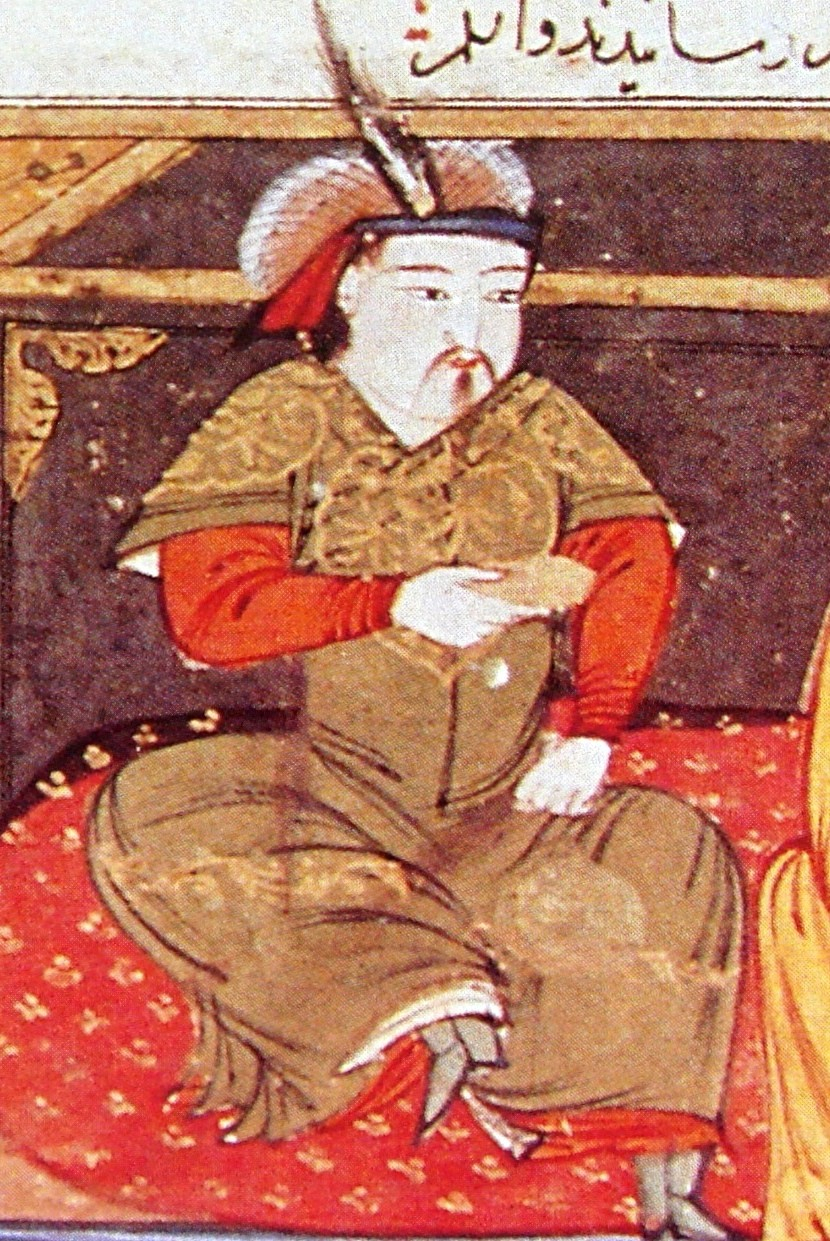
Hulagu Khan's Mongol Invasion of Azerbaijan
Azerbaijan
Political
4 min read
Updated By: History Editorial Network (HEN)
Published:
During the Mongol invasion of Azerbaijan led by Hulagu Khan, the Mongol Empire sought to expand its territory into the Caucasus region. Hulagu Khan, a grandson of Genghis Khan, led the campaign with a formidable army known for their ruthless tactics and advanced military strategies.
The invasion had a significant impact on Azerbaijan, leading to widespread destruction and disruption of the region's political and social structures. Cities and towns were ravaged, and many inhabitants were killed or enslaved. The invasion also resulted in the downfall of the ruling Sultanate of Rum, leaving a power vacuum that the Mongols were quick to exploit.
One of the most notable events during the invasion was the siege of Baghdad, the capital of the Abbasid Caliphate. Hulagu Khan's forces laid siege to the city for several months before finally breaching its defenses and sacking it. The fall of Baghdad marked the end of the Abbasid Caliphate, one of the most significant political and cultural entities in the Islamic world at the time.
The Mongol invasion of Azerbaijan led by Hulagu Khan forever altered the political landscape of the region. The Mongols established their rule over Azerbaijan and neighboring territories, ushering in a period of Mongol dominance that would last for several decades. Despite the devastation caused by the invasion, it also paved the way for a period of relative stability and prosperity under Mongol rule.
The legacy of the Mongol invasion of Azerbaijan can still be seen in the region's cultural and architectural heritage, with many monuments and structures dating back to this turbulent period in history. The event serves as a reminder of the complex and interconnected nature of global history, where the actions of powerful empires can shape the destinies of entire regions.
#MongolInvasion #HulaguKhan #AzerbaijanHistory

Explore the Life Moments of
 AI Twin