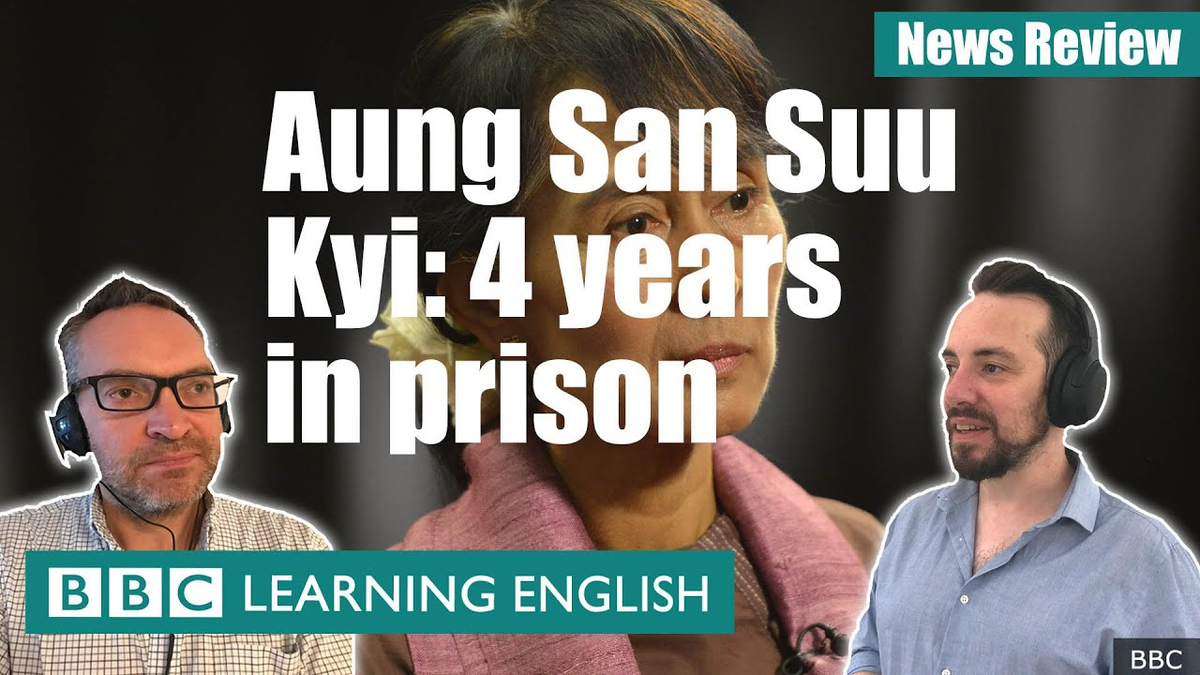
Aung San Suu Kyi Sentenced to 4 Years in Jail
Naypyidaw, Myanmar
Politics
Legal Issues
Human Rights
7 min read
Updated By: History Editorial Network (HEN)
Published:
Updated:
On 06/12/2021, a military-controlled court in Myanmar sentenced ousted civilian leader Aung San Suu Kyi to four years in prison, marking the first verdict issued against her after the military seized power earlier that year. The ruling followed the coup carried out by Myanmar’s armed forces on 01/02/2021, which removed the elected government led by Suu Kyi’s National League for Democracy (NLD) and triggered widespread protests across the country.
The court found Aung San Suu Kyi guilty of two charges: incitement and violating COVID-19 restrictions during the 2020 general election campaign. The incitement charge stemmed from statements released by the NLD after the coup that urged people not to accept the military takeover. Authorities also accused her of breaching pandemic-related rules while campaigning during the November 2020 election, in which the NLD won a decisive victory before the military annulled the results.
Shortly after the verdict was announced, Myanmar’s military leader Min Aung Hlaing reduced the four-year sentence to two years. The junta stated that Suu Kyi would serve the reduced sentence under house arrest in an undisclosed location rather than being transferred immediately to a prison facility. At the time of the sentencing, she had already been held in detention since the coup, with limited contact with the outside world.
The trial proceedings were conducted behind closed doors, and Suu Kyi’s legal team was barred by court order from speaking to the media. International organizations and governments criticized the legal process, describing the cases as politically motivated. The United Nations and several human rights groups said the charges appeared aimed at preventing Suu Kyi from returning to politics following the coup.
The December 2021 verdict was only the first in a series of legal cases brought against the former leader. At the time, she faced roughly a dozen additional charges filed by the military authorities, including corruption allegations, violations of the Official Secrets Act, and accusations related to the illegal importation and possession of communication devices such as walkie-talkies. Several of these cases continued in subsequent months as Myanmar remained under military rule.
● Aung San Suu Kyi, a prominent political figure in Myanmar and a Nobel Peace Prize laureate, faced a series of legal challenges following the military coup that disrupted the democratic process in the country. She was charged with multiple offenses, including inciting dissent and violating COVID-19 protocols. The legal proceedings against her were widely viewed as politically motivated, aimed at undermining her influence and the National League for Democracy (NLD) party, which had won a significant majority in the last elections prior to the coup. The military junta's actions have drawn international condemnation, with many countries and organizations calling for her release and the restoration of democracy in Myanmar. Suu Kyi's sentencing to four years in prison was part of a broader crackdown on dissent, which included the arrest of numerous political leaders, activists, and journalists. The military's actions have led to widespread protests and civil disobedience movements across the nation, further escalating tensions between the military and the civilian population.
#mooflife
#MomentOfLife
#AungSanSuuKyi
#Myanmar
#MilitaryCoup
#PoliticalPrisoners
#HumanRights

Explore the Life Moments of
 AI Twin