Launch of iTunes Store Revolutionizes Music Sales
Cupertino, California, United States
Technology
Music
Entertainment
4 min read
Updated By: History Editorial Network (HEN)
Published:
Updated:
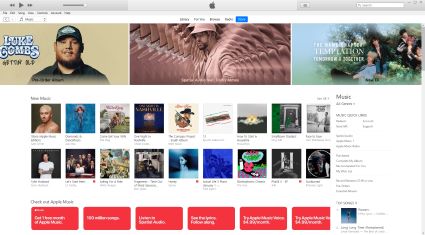
On 28/04/2003, Apple Inc. launched the iTunes Music Store, introducing a legal digital marketplace for purchasing and downloading individual songs online. The service debuted with approximately 200,000 tracks licensed from major record labels including BMG, EMI, Sony Music Entertainment, Universal, and Warner. The store was integrated directly into Apple’s iTunes software and initially available only to Mac users in the United States. Apple positioned the service as a simple alternative to piracy, allowing customers to preview songs, purchase individual tracks, and download them instantly.
Apple introduced a pricing model centered on a flat rate of 99 cents per song, with most albums priced at $9.99. The structure allowed users to buy individual tracks rather than entire albums, which differed from traditional CD purchasing. Songs purchased from the store were encoded in AAC format and protected with Apple’s FairPlay digital rights management system, allowing playback on Macs, iPods, and limited authorized devices. Apple also enabled users to burn purchased tracks to audio CDs and transfer them to iPod devices.
The iTunes Music Store recorded strong early adoption. Apple announced that more than one million songs were sold during the first week after launch. The service remained Mac exclusive at introduction, but Apple later released a Windows compatible version on 16/10/2003, significantly expanding the store’s potential audience. The launch formed part of Apple’s broader digital music strategy, linking the iTunes software, the iPod, and licensed music distribution into a unified ecosystem.
#mooflife
#MomentOfLife
#ItunesStore
#MusicDownloads
#DigitalMusicSales
#MusicIndustry
#Apple
Primary Reference
Apple Launches the iTunes Music Store

Explore the Life Moments of
 AI Twin