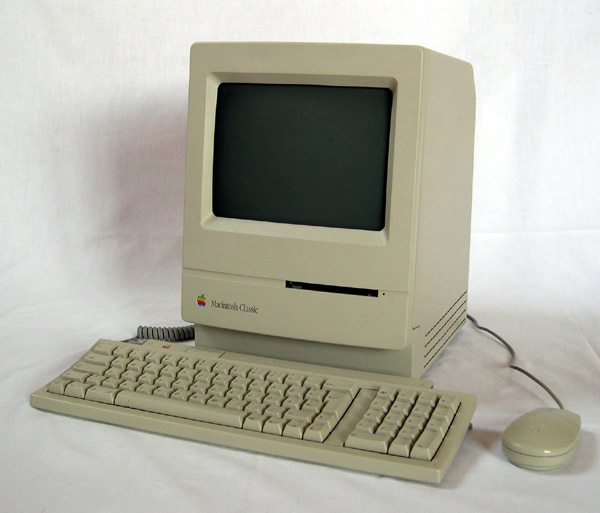
Introduction of lower-cost Macintosh models
Cupertino, California, United States
Technology
Product Development
Business Strategy
4 min read
Updated By: History Editorial Network (HEN)
Published:
Updated:
On 15/10/1990, Apple Inc. introduced three new lower cost Macintosh computers as part of a strategy to expand its customer base and respond to increasing competition from IBM compatible PCs. The initiative, led by CEO John Sculley, focused on reducing entry prices while maintaining compatibility with the Macintosh software ecosystem. The three models announced were the Macintosh Classic, Macintosh LC, and Macintosh IIsi, each targeting different segments including home users, education markets, and entry level professional customers.
The Macintosh Classic replaced the Macintosh Plus at a lower price point, launching at $999, which made it the first Macintosh available for under $1,000. It retained an all in one design with a 9 inch monochrome display and Motorola 68000 processor, aimed at schools and first time Mac buyers. The Macintosh LC introduced a low cost color Macintosh option, using a slim desktop case and supporting Apple’s 12 inch RGB monitor. It featured a Motorola 68020 processor and expansion capability through the LC Processor Direct Slot, which allowed add on cards such as Apple II compatibility hardware.
The Macintosh IIsi targeted users needing more performance in a compact desktop form factor. It included a Motorola 68030 processor and supported color graphics while maintaining a smaller footprint than earlier Macintosh II systems. Together, the three models formed a tiered lineup intended to improve affordability and increase Macintosh adoption. The launch represented a shift in Apple’s pricing and product segmentation strategy during a period when lower cost PC compatibles were gaining market share.
#mooflife
#MomentOfLife
#Macintosh
#Lower-costModels
#AppleStrategy
#PersonalComputing
#MarketImpact
Primary Reference
Macintosh Classic

Explore the Life Moments of
 AI Twin