Apple announced transition from Intel processors
Apple Park, Cupertino, California, United States
Technology
Computers
Software Development
4 min read
Updated By: History Editorial Network (HEN)
Published:
Updated:
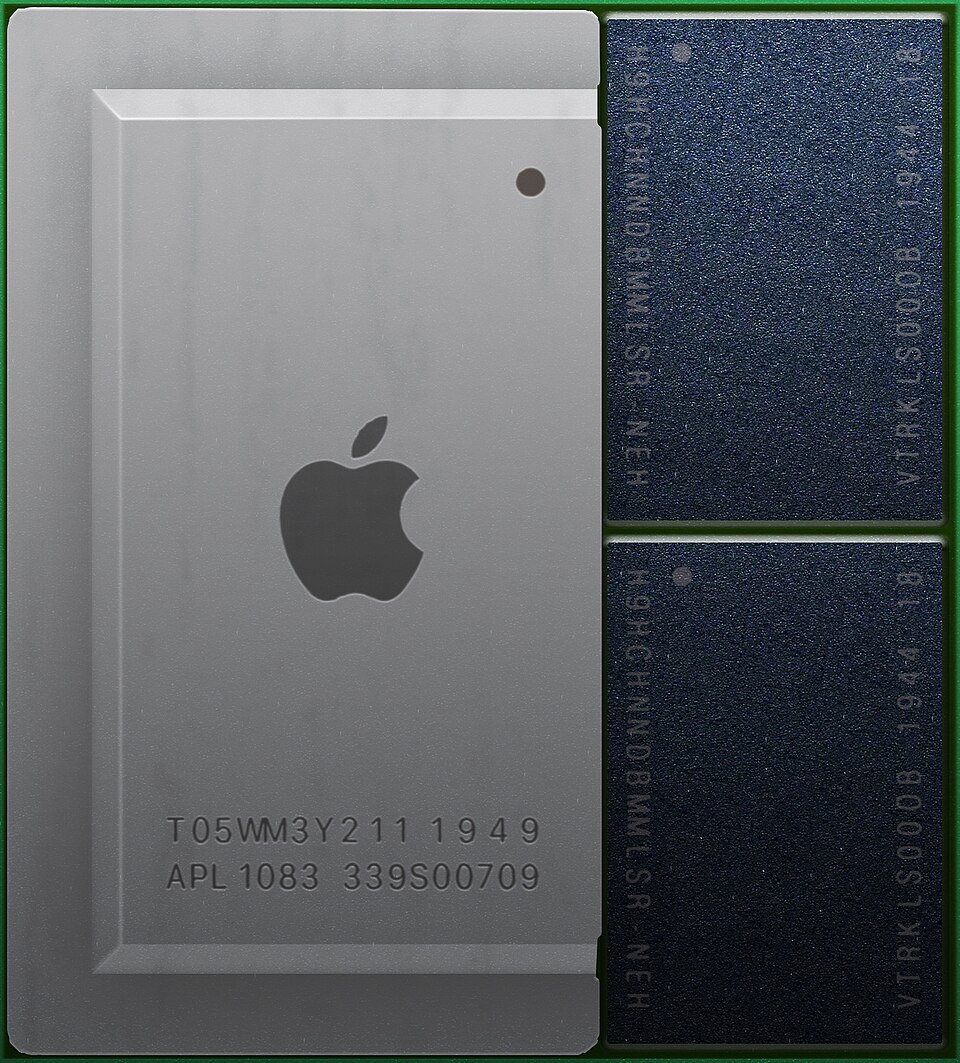
On 22/06/2020, Apple Inc. announced during its Worldwide Developers Conference keynote that it would transition the Mac lineup from Intel processors to its own custom designed Apple silicon. CEO Tim Cook outlined a two year transition plan and confirmed that the first Macs using Apple silicon would ship before the end of 2020. Apple stated that the move would enable improved performance per watt, tighter hardware and software integration, and a shared architecture across iPhone, iPad, and Mac devices. The announcement marked a major shift in Mac hardware strategy after more than a decade of Intel based Macs.
Apple introduced tools to help developers prepare applications for the new architecture. Universal 2 binaries allow developers to compile apps that run natively on both Intel and Apple silicon Macs. Apple also announced Rosetta 2, a translation technology designed to run existing Intel based applications on Apple silicon systems. During the presentation, Apple demonstrated professional apps and third party software running through Rosetta 2 and native builds, including productivity and creative workflows. The company also confirmed that virtualization and container technologies would be supported for development environments.
To support developers, Apple released a Developer Transition Kit based on a Mac mini enclosure containing an A12Z Bionic chip, 16 GB of memory, and a 512 GB SSD. The kit was offered through a developer program for $500 and allowed developers to test and optimize their apps before the first Apple silicon Macs shipped. Apple also confirmed that macOS would continue supporting Intel based Macs during the transition period. The announcement set the stage for the first Apple silicon Macs unveiled later in November 2020.
#mooflife
#MomentOfLife
#Apple
#IntelTransition
#AppleSilicon
#Wwdc
#MacPerformance
Primary Reference
Mac transition to Apple silicon

Explore the Life Moments of
 AI Twin