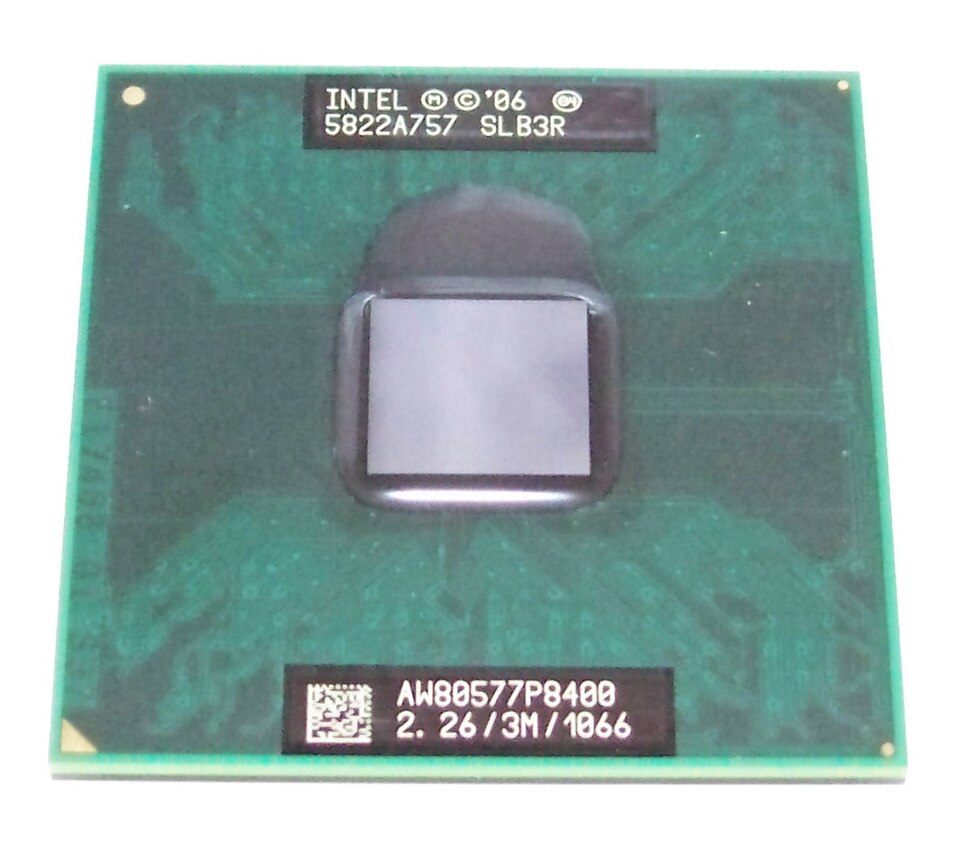
Apple's Transition to Intel Core Duo CPUs
Cupertino, California, United States
4 min read
Updated By: History Editorial Network (HEN)
Published:
Updated:
By 06/2006, Apple Inc. had progressed significantly ahead of its announced timeline for transitioning the Mac product line from PowerPC processors to Intel chips. The transition had originally been announced by Steve Jobs at the Worldwide Developers Conference on 06/06/2005, where Apple stated it planned to begin shipping Intel based Macs by mid 2006 and complete the transition by the end of 2007. However, within less than a year, Apple had already converted most of its portable consumer and professional systems to Intel Core Duo processors.
The first Intel based Macs shipped in January 2006 with the introduction of the iMac and MacBook Pro. Apple continued the rollout on 14/02/2006 with the Mac mini, followed by the MacBook on 16/05/2006, which replaced the iBook and completed the transition of Apple’s consumer laptop line. By that point, both consumer and professional notebooks, including the MacBook Pro and MacBook, were running on Intel Core Duo architecture. The rapid deployment meant Apple had already migrated a large portion of its product lineup well before the originally stated end of 2007 deadline.
The accelerated transition was enabled by Apple’s use of Universal Binary software support in Mac OS X, allowing applications compiled for both PowerPC and Intel processors to run on either architecture. Apple also introduced Rosetta translation technology to run PowerPC applications on Intel based Macs during the transition period. By mid 2006, only parts of the desktop lineup remained on PowerPC processors, with the transition completed later that year when Apple introduced the Intel based Mac Pro and Xserve.
#mooflife
#MomentOfLife
#Apple
#IntelCoreDuo
#MacTransition
#PowerpcProcessors
#ComputerHardware
Primary Reference
Mac transition to Intel processors

Explore the Life Moments of
 AI Twin