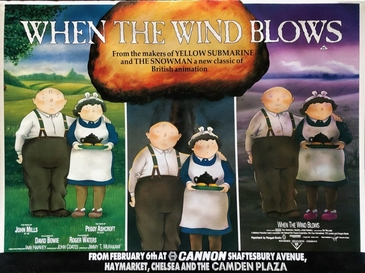
When the Wind Blows
Entertainment
5 min read
Updated By: History Editorial Network (HEN)
Published:
Updated:
When the Wind Blows (1986) is a British animated disaster drama directed by Jimmy T. Murakami and adapted from the graphic novel by Raymond Briggs. The story centers on an elderly English couple, Jim and Hilda Bloggs, who live a quiet life in the countryside. When the threat of nuclear war becomes real, they rely on outdated government leaflets to prepare for the fallout. Naively optimistic and clinging to routine, they attempt to survive the aftermath of a nuclear explosion, unaware of the silent and irreversible damage radiation is causing.
The film’s visual style is distinctive, blending traditional hand-drawn animation for the characters with detailed stop-motion sets. This contrast emphasizes the fragility of the couple’s domestic world against the harsh, crumbling reality around them. The animation is expressive but grounded, allowing their emotional decline to be painfully human. The soundtrack, composed by Roger Waters and featuring artists like David Bowie and Genesis, adds a somber, haunting layer that underscores the film’s tragic tone.
With a modest production budget of around $2 million, the film had a limited theatrical release and modest box office returns, but it gained a lasting reputation through home video and television screenings. Though it was not a financial success at the time, it became a cult classic in the years following.
Critically, When the Wind Blows received strong praise for its emotional impact and bold subject matter. It holds an 88% rating on Rotten Tomatoes, with reviewers noting its unflinching depiction of post-nuclear despair and the innocence of its protagonists. It stood out at the time as one of the few animated films aimed at adults with a deeply political and emotional message.
While it didn’t receive major awards, the film has earned enduring recognition as one of the most powerful animated anti-war films ever made. Its stark portrayal of the human cost of nuclear war has influenced numerous filmmakers and continues to be studied in both animation and political cinema circles.
Primary Reference
When the Wind Blows (1988) - Box Office Mojo

Explore the Life Moments of
 AI Twin