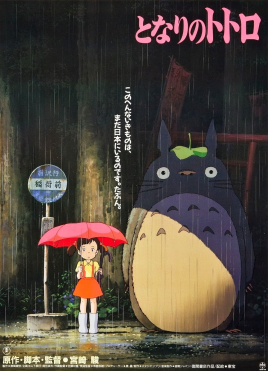
My Neighbor Totoro
Entertainment
6 min read
Updated By: History Editorial Network (HEN)
Published:
Updated:
My Neighbor Totoro (1988) is a Japanese animated fantasy film written and directed by Hayao Miyazaki and produced by Studio Ghibli. Set in rural post-war Japan, the story follows two young sisters—Satsuki and Mei—who move to the countryside with their father to be closer to their hospitalized mother. As they adjust to their new surroundings, the girls encounter a gentle forest spirit named Totoro and other magical creatures, including the now-iconic Catbus. Totoro becomes a quiet guardian and symbol of wonder, comforting the children through the emotional turbulence of illness, change, and uncertainty.
The film is deliberately plot-light, choosing instead to focus on mood, atmosphere, and childhood experience. It captures the essence of curiosity, freedom, and the bond between siblings through moments of daily life punctuated by magical realism. Totoro himself, with his enormous size, soft demeanor, and silent strength, has since become the mascot of Studio Ghibli and one of the most beloved characters in animation history.
At the time of release, My Neighbor Totoro was paired as a double feature with the much darker Grave of the Fireflies, which contributed to its initially lukewarm box office performance in Japan. It grossed only about ¥587 million ($6.1 million USD) during its original run. However, its popularity grew steadily through television broadcasts, home video, and merchandise—especially Totoro plush toys and collectibles. It ultimately became a cornerstone of Japanese popular culture and Ghibli’s long-term financial success.
Critically, the film was universally praised for its animation, emotional subtlety, and delicate storytelling. It holds a 95% rating on Rotten Tomatoes and has been featured in numerous “greatest animated films of all time” lists. Its quiet tone and lack of conventional conflict were seen as bold artistic choices, especially for children’s cinema. The music by Joe Hisaishi, particularly the gentle score and the iconic “Totoro” theme, became deeply associated with the film’s comforting, magical tone.
Though Totoro didn’t win major international awards upon release, it received the Animage Anime Grand Prix and later earned recognition from the Academy of Science Fiction, Fantasy & Horror Films in the U.S. Over the decades, its legacy has only grown. It has been cited as a favorite film by filmmakers like Guillermo del Toro and Wes Anderson, and is frequently referenced in both academic and pop culture contexts.
Today, My Neighbor Totoro is considered one of the most important animated films ever made. It introduced much of the world to Studio Ghibli’s unique philosophy of storytelling: slow, emotionally honest, deeply rooted in nature, and rich with childlike wonder. Totoro himself stands as a global icon of warmth, magic, and gentle resilience.

Explore the Life Moments of
 AI Twin