Fantastic Planet
Entertainment
6 min read
Updated By: History Editorial Network (HEN)
Published:
Updated:
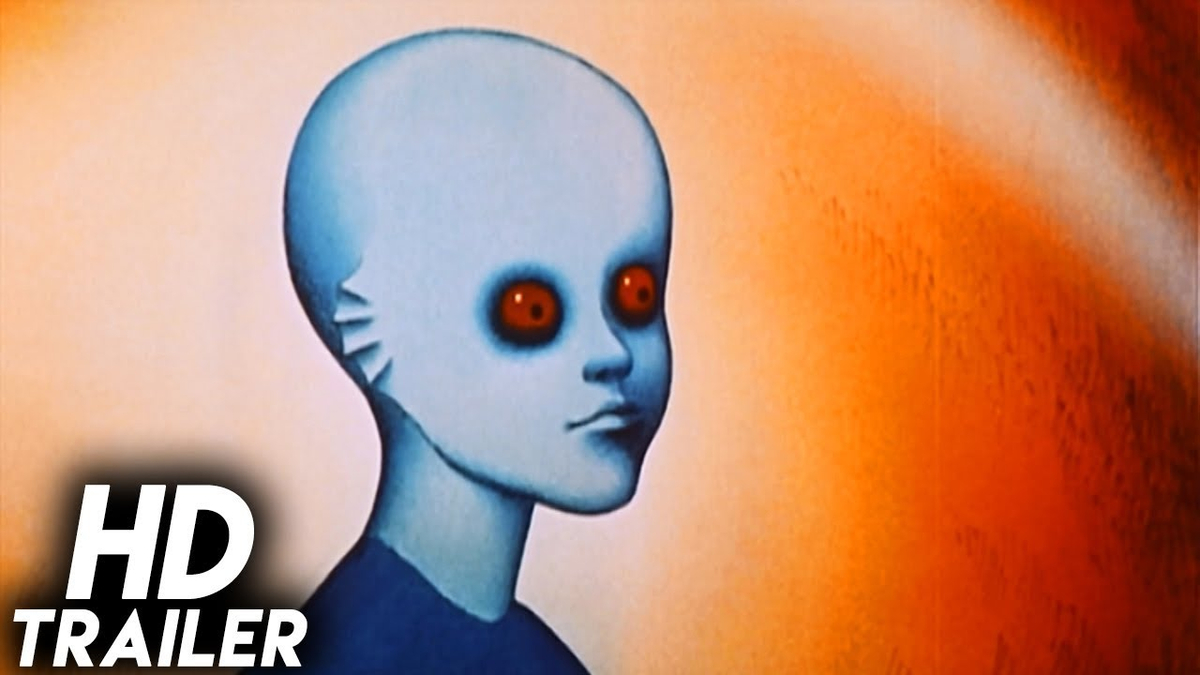
Fantastic Planet (La planète sauvage, 1973) is a landmark French-Czech animated science fiction film directed by René Laloux and written with designer Roland Topor. Set on the mystical planet Ygam, it explores the relationship between the tiny human-like beings called Oms and their giant blue-skinned masters, the Draags. When Draags domesticate runaway Oms as pets, one rebellious Om named Terr escapes and discovers a way to resist oppression. As Terr matures, he rallies his people, leading to a cultural and evolutionary upheaval that reshapes the dynamic between the species, culminating in a profound exploration of coexistence, enlightenment, and power.
Visually, Fantastic Planet is defined by its surreal, hallucinatory style, featuring otherworldly landscapes, amorphous creatures, and a dreamlike color palette. The animation technique is minimalist yet striking, employing limited movement and bold, flat color fields that amplify its allegorical storytelling. Topor’s unconventional designs—ranging from bulbous formations to floating entities—create an unsettling, yet mesmerizing world that defies logic and immerses viewers in its strange beauty.
Produced on a modest budget, the film received limited financial returns initially but gained cult status internationally through festival screenings and art-house distribution. It premiered at the 1973 Cannes Film Festival, where it won the Special Jury Prize, and later resonated across Europe and North America, attracting audiences drawn to its philosophical depth and experimental artistry.
Critically, the film has been lauded as one of the most thought-provoking animated works ever created. It holds a 100% rating on Rotten Tomatoes, with praise for its bold thematic scope, anti-authoritarian message, and visually poetic execution. Its influence on psychedelic animation and adult-oriented storytelling in the medium has been profound, inspiring countless creators across film, music, and graphic art.
While it predates modern genre awards for animation, its accolades include the 1973 Cannes Special Jury Prize—a rare honor for an animated feature at the time. Over the decades, Fantastic Planet has been featured in retrospectives and scholarly discourse, cementing its place as a philosophical masterpiece of 20th-century animation.
The legacy of Fantastic Planet is vast—it showed that animation could be a vehicle for challenging ideas, surreal aesthetics, and mature reflection, not just entertainment. Its alien landscapes, haunting score, and socio-political allegory influenced generations of animators and filmmakers, establishing it as a timeless cult classic and a seminal work in adult animation.
Primary Reference
La Planète Sauvage (Fantastic Planet) @ BCDB

Explore the Life Moments of
 AI Twin