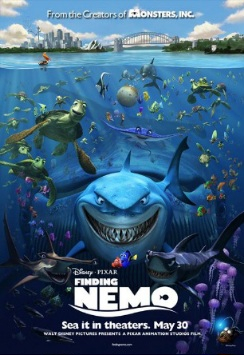
Finding Nemo
Entertainment
5 min read
Updated By: History Editorial Network (HEN)
Published:
Updated:
Finding Nemo (2003) is an animated underwater adventure produced by Pixar Animation Studios and released by Walt Disney Pictures, directed by Andrew Stanton with co-direction by Lee Unkrich. The film follows Marlin, an overprotective clownfish whose son Nemo is captured by a diver and placed in a dentist’s fish tank in Sydney. Determined to rescue him, Marlin teams up with Dory, an optimistic yet forgetful blue tang, embarking on a perilous journey across the ocean. Meanwhile, Nemo and the tank gang—including the self-aware Gill—form a daring escape plan to return to the sea and reunite with his father.
Visually, Finding Nemo is renowned for its stunning representation of aquatic environments. Pixar’s animation brought vibrant coral reefs, shifting ocean currents, and expressive marine life to life with lifelike textures and dynamic lighting, showcasing a leap forward in CGI realism. The film’s humor, heart, and visual spectacle are enhanced by Thomas Newman’s emotive score, which underscores both the film’s tension and its tender moments.
On a production budget of approximately $94 million, Finding Nemo grossed over $940 million worldwide, becoming the highest-grossing animated film at the time and the third-highest-grossing film of 2003. It connected with audiences globally and became a cultural phenomenon, buoyed by strong home media sales and memorable characters.
Critically, the film received universal acclaim, holding a 99% rating on Rotten Tomatoes and a Metacritic score of 90. Reviewers celebrated its emotional depth, compelling character arcs (especially the father-son dynamic), and its adventurous spirit. Many noted that the film struck a rare balance between humor, suspense, and heartfelt storytelling, making it beloved by both children and adults.
Finding Nemo won the Academy Award for Best Animated Feature and was nominated for three other Oscars—including Best Original Score and Best Sound Editing. It also received a Golden Globe for Best Motion Picture – Animated and won multiple Annie Awards, including Best Animated Feature and Character Animation.
The legacy of Finding Nemo is immense. It reshaped family animation by emphasizing emotional complexity and character growth, and remains one of Pixar’s most iconic films. Its success led to the well-received sequel Finding Dory (2016) and had a lasting impact on pop culture, marine awareness, and the advancement of CGI animation quality.
Primary Reference
Finding Nemo (2003)

Explore the Life Moments of
 AI Twin