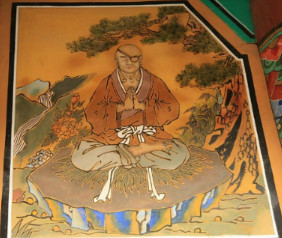
Foundation of Later Goguryeo by Kung Ye
Songak (modern-day Kaesong), Korean Peninsula
Goguryeo
Buddhism
4 min read
Updated By: History Editorial Network (HEN)
Published:
Updated:
In 901 CE, Gung Ye, a former Buddhist monk and regional war leader, established the state of Later Goguryeo (Hugoguryeo), marking the beginning of the Later Three Kingdoms period in Korean history. This development took place during the final phase of Unified Silla, when central authority had weakened and local leaders began asserting control over different regions of the Korean Peninsula.
Historical accounts describe Gung Ye as having possible royal lineage connected to Silla, though details about his early life are partly based on later records. He first emerged as a military figure by joining rebel forces during widespread unrest. Gung Ye eventually served under the warlord Yang Gil, gaining experience and influence in regional conflicts.
By 898, Gung Ye had established his own power base, surpassing that of Yang Gil. He secured control over key northern territories and set up his center of authority in Songak, present-day Kaesong. Over time, he defeated Yang Gil and consolidated his position as a leading figure in the region.
In 901, Gung Ye formally declared the establishment of Later Goguryeo and assumed the title of king. By adopting the name of Goguryeo, he aimed to connect his new state to the legacy of the earlier kingdom that had once dominated northern Korea and parts of Manchuria. This helped him gain support among populations in the north who identified with that historical tradition.
The founding of Later Goguryeo contributed to the fragmentation of Silla’s remaining authority and set the stage for continued conflict among rival states. These developments eventually led to further transitions, including the renaming of the kingdom to Majin in 904 and the later rise of Goryeo in 918.
#mooflife
#MomentOfLife
#LaterGoguryeo
#KungYe
#KoreanHistory
#Buddhism
#Kaesong
Primary Reference
Kung Ye

Explore the Life Moments of
 AI Twin