Beginning of the Bronze Age in Korea
Korean Peninsula
Archaeology
Cultural Studies
4 min read
Updated By: History Editorial Network (HEN)
Published:
Updated:
The year 2300 BCE is traditionally associated with the founding of Gojoseon, regarded in Korean history as the earliest kingdom on the Korean Peninsula. According to later historical texts such as the Samguk Yusa, Gojoseon was established by the legendary figure Dangun. While this date holds an important place in Korean historical tradition, its connection to archaeological evidence, particularly the Bronze Age, reflects a combination of recorded legend and modern interpretation.
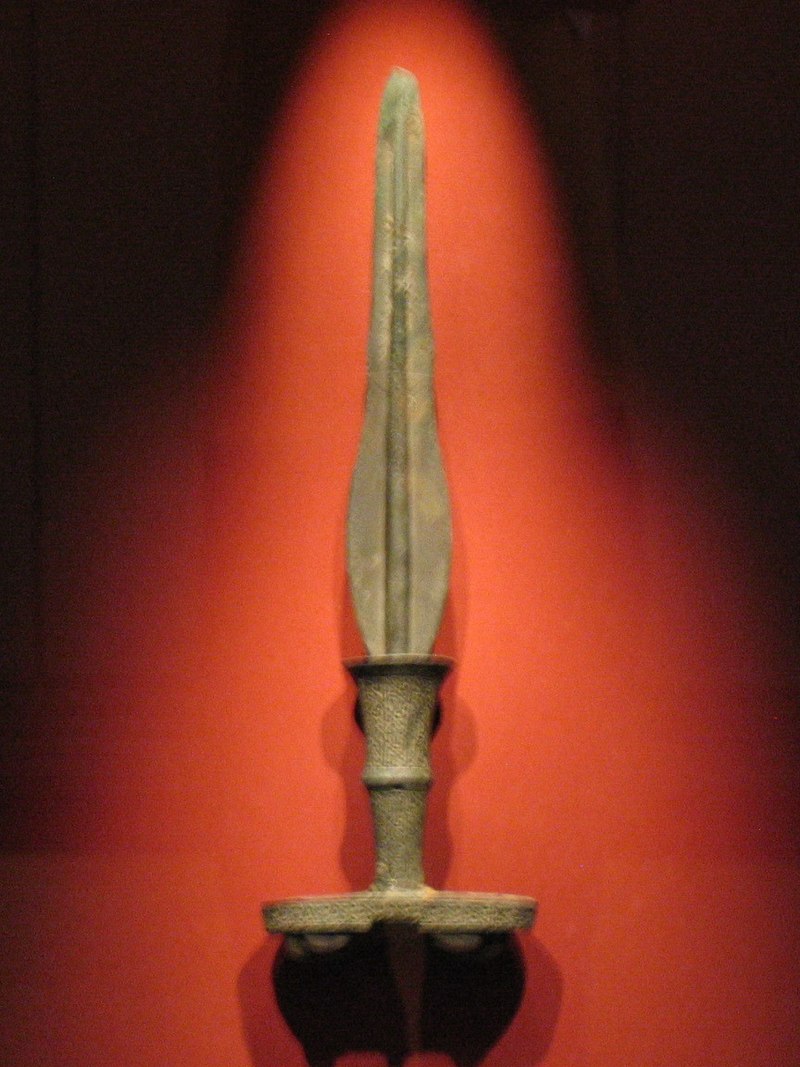
Archaeological studies indicate that the transition to the Bronze Age on the Korean Peninsula began around the same general period, though not necessarily as a single defining event. Early Bronze Age developments included the gradual introduction of bronze tools and weapons alongside continued use of stone implements. Evidence from burial sites, including dolmens, and the appearance of bronze artifacts such as daggers suggest increasing social complexity and emerging leadership structures during this time.
The association between the traditional founding date of Gojoseon and the Bronze Age reflects an attempt to align historical narratives with material evidence. While the exact date of Gojoseon’s formation cannot be confirmed through archaeology alone, the broader timeframe corresponds to significant cultural and technological changes across the peninsula.
These developments laid the foundation for early state formation, with Gojoseon later appearing in historical records as an organized polity in the northern regions of the Korean Peninsula and parts of Manchuria.
#mooflife
#MomentOfLife
#BronzeAge
#Korea
#Archaeology
#Metallurgy
#Agriculture

Explore the Life Moments of
 AI Twin