Establishment of the Joseon Dynasty
Korean Peninsula (Kaesong and Hanyang/Seoul)
Korea
Dynasties
6 min read
Updated By: History Editorial Network (HEN)
Published:
Updated:
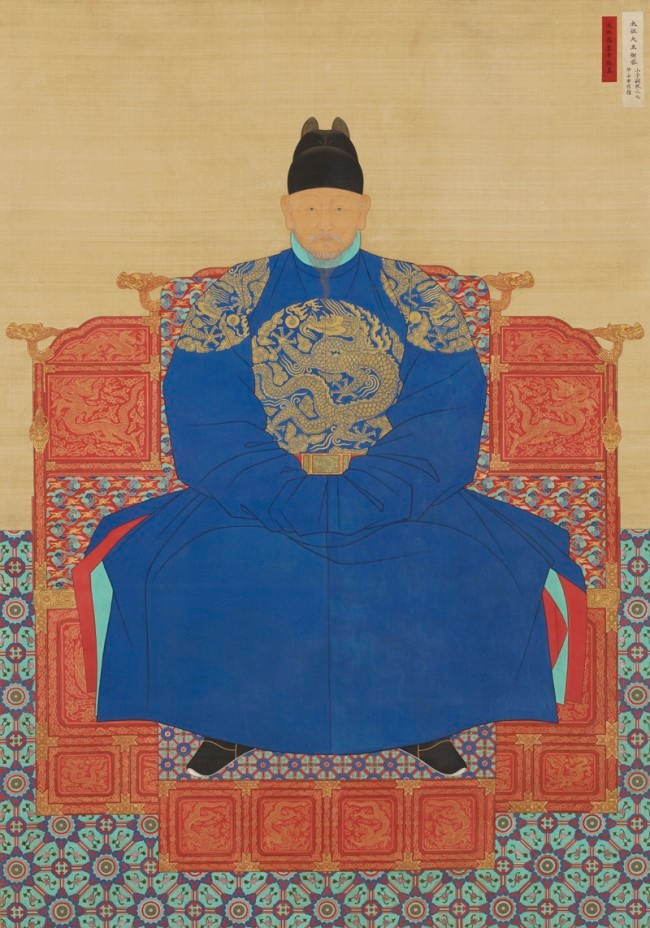
The establishment of the Joseon Dynasty on 05/08/1392 marked the beginning of a new ruling order in Korea under General Yi Seong-gye, later known posthumously as King Taejo. This transition followed the gradual decline of the Goryeo Dynasty, which had governed the Korean Peninsula since 918. Yi Seong-gye, a prominent military leader, rose to power during a period of political instability and external pressure, particularly involving conflicts with the Ming Dynasty in China.
A decisive turning point occurred in 1388 during the Wihwado Retreat, when Yi Seong-gye was ordered to lead a military campaign into Liaodong, a territory under Ming control. Instead of advancing, he halted his forces at the Yalu River and turned back toward the Goryeo capital, Kaegyeong. This move enabled him to seize political control without direct confrontation with Ming forces. Over the next several years, Yi governed indirectly through puppet kings while consolidating authority and weakening remaining opposition within the Goryeo court.
On 05/08/1392, Yi Seong-gye formally ascended the throne, officially ending the Goryeo Dynasty and establishing a new ruling house. The following year, in 1393, he sought recognition from the Ming Emperor by proposing two possible names for the new kingdom: Hwaryeong, after his birthplace, and Joseon, referencing the ancient Korean state of Gojoseon. The Ming court selected “Joseon,” a name that would define the dynasty for more than five centuries.
In 1394, the new regime relocated its capital from Kaegyeong (present-day Kaesong) to Hanyang, now modern-day Seoul. This move was accompanied by the construction of Gyeongbokgung Palace, which became the central seat of governance. The relocation reflected both strategic and symbolic priorities, as Hanyang offered geographical advantages and represented a clear break from the Goryeo past.
The Joseon Dynasty continued to rule Korea until 1897, making it one of the longest-lasting dynasties in East Asia. Its governance was characterized by the institutionalization of Neo-Confucian principles, administrative reforms, and a centralized bureaucratic system that shaped Korean society for centuries.
Why This Moment Matters
The founding of Joseon established a new political and ideological framework centered on Confucian governance, replacing the Buddhist-influenced structures of Goryeo. This shift influenced Korea’s administrative systems, cultural development, and social hierarchy well into the modern era.
#mooflife
#MomentOfLife
#JoseonDynasty
#KoreanHistory
#YiSeong-gye
#Confucianism
#KingSejong
Primary Reference
Joseon

Explore the Life Moments of
 AI Twin