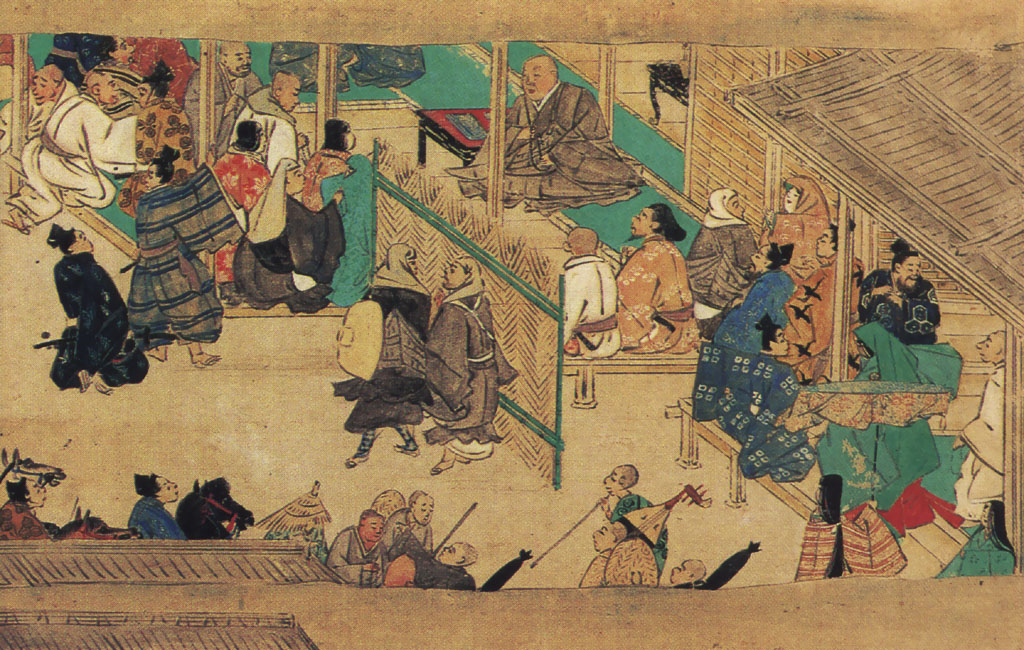
Introduction of Buddhism to Japan
Yamato court (Japan), with origin in Baekje (Korean Peninsula)
Religion
Cultural Studies
3 min read
Updated By: History Editorial Network (HEN)
Published:
Updated:
In 538 CE, Buddhism was formally introduced to Japan through a diplomatic mission sent by King Seong of the Korean kingdom of Baekje to the court of Emperor Kinmei. This event marks the earliest widely accepted date for the official transmission of Buddhism into Japan, although earlier informal contacts through merchants and migrants may have already introduced Buddhist ideas.
According to historical sources, the Baekje mission presented a set of religious and cultural items to the Japanese court. These included a statue of the Buddha made of gold and copper, several Buddhist scriptures known as sutras, and ritual objects such as banners and ornaments. These items served both as religious symbols and as a means of introducing Buddhist teachings and practices to the Japanese elite.
The introduction of Buddhism had important cultural and political implications. It led to debates within the Japanese court, where influential clans differed on whether to adopt the new religion. Over time, Buddhism gained acceptance and became integrated into Japanese society, influencing art, architecture, and governance.
There is some variation in historical records regarding the exact date of this event. The Nihon Shoki, compiled in 720 CE, records the introduction as occurring in 552 CE. However, other sources, such as the Gangōji Garan Engi, support the earlier date of 538 CE, which is widely accepted by many modern historians.
#mooflife
#MomentOfLife
#Buddhism
#Japan
#Shinto
#AsukaPeriod
#Shinbutsu-shūgō
Primary Reference
Buddhism in Japan

Explore the Life Moments of
 AI Twin