Legacy of Albert Camus: Posthumous Essays on Society, Morality, and Resistance
France

Literature
Philosophy
4 min read
Updated By: History Editorial Network (HEN)
Published:
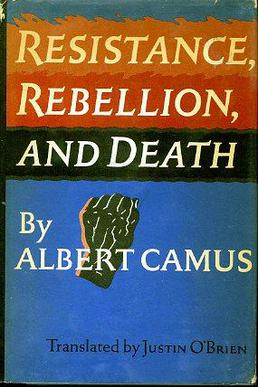
Albert Camus, an acclaimed French philosopher and author, passed away in a car accident at the age of 46. Following his death, a collection of his essays titled "Resistance, Rebellion, and Death" was published. Camus, a Nobel Prize winner, was known for his contributions to existentialist thought and his critique of totalitarianism.
The posthumous release of these essays was widely recognized for compiling some of Camus' most poignant works on societal issues, including colonialism, justice, and the human condition. The compilation offered a deep dive into his reflections on the moral responsibilities of individuals within society, particularly in the face of oppression and conflict.
The impact of this publication was substantial. It solidified Camus' legacy as a leading intellectual voice in 20th-century philosophy and literature. The collection resonated with readers and scholars alike, offering insights into the persistent and deeply rooted issues of human suffering and defiance.
The essays included heartrending commentaries based on his experiences during the German occupation of France and his reflections on the Algerian War. This compilation showcased Camus' unyielding belief in human dignity and moral integrity, providing a source of inspiration for contemporary and future political and social movements.
#AlbertCamus #ResistanceRebellionDeath #PosthumousPublication #Philosophy #Literature #HumanCondition #MoralResponsibility #Justice #20thCenturyThought #MoofLife
Primary Reference
Bread and Freedom - Remembering Albert Camus

Explore the Life Moments of
 AI Twin