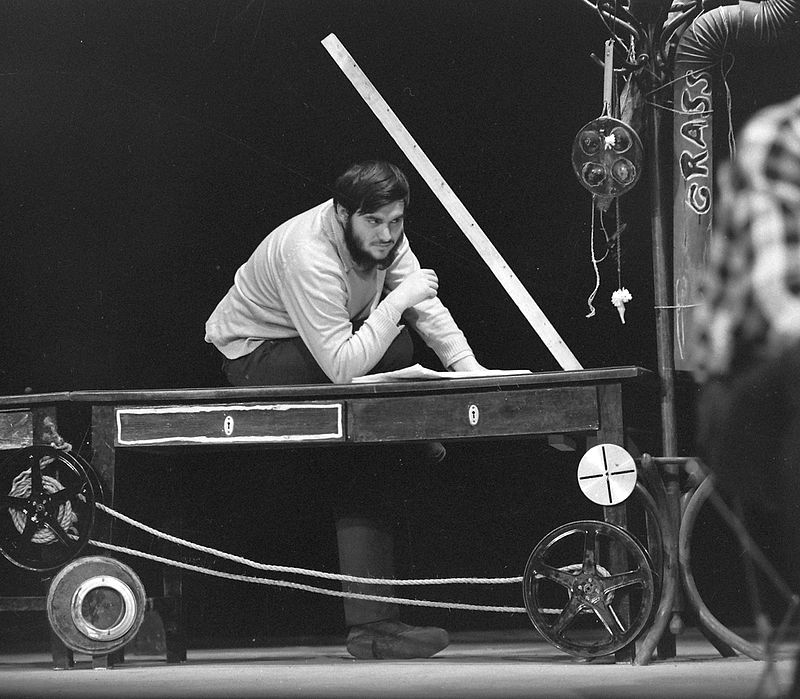
Early work "Révolte dans les Asturies" marked Albert Camus's literary debut and social commentary.
France

Literature
Political
4 min read
Updated By: History Editorial Network (HEN)
Published:
Updated:
Albert Camus, along with three friends, penned the play "Révolte dans les Asturies." This early collaborative work marked Camus’s initial foray into literary publication. The play, set against the backdrop of a miners' rebellion in the Asturian region of Spain, addressed themes of social justice and political upheaval. Camus, who would later become a seminal figure in existential philosophy and literature, demonstrated an early interest in exploring profound societal issues through his writing.
The creation process involved intense discussions and script revisions among the co-authors, reflecting a collective engagement with the socio-political climate of the time. "Révolte dans les Asturies" was not only a product of literary aspiration but also a statement of solidarity with the working class, resonating with contemporary concerns about labor rights and authoritarianism.
The play achieved modest recognition upon release, facilitating subsequent opportunities for Camus in the literary field. It cemented his reputation as a writer deeply concerned with human rights and existential queries, themes that would pervade his later works such as "The Stranger" and "The Myth of Sisyphus."
Despite its initial reception, "Révolte dans les Asturies" is now regarded as an essential piece in understanding Camus's early development as a playwright and thinker. It underscores the collaborative spirit and ideological commitments that characterized his early career, helping to shape his philosophies that later influenced a generation.
#MoofLife #AlbertCamus #LiteraryDebut #Playwriting #SocialJustice #Existentialism

Explore the Life Moments of
 AI Twin