
Camus's successful adaptation of Dostoyevsky's "Demons" garners critical acclaim in Paris theatre.
France

Entertainment
Literature
4 min read
Updated By: History Editorial Network (HEN)
Published:
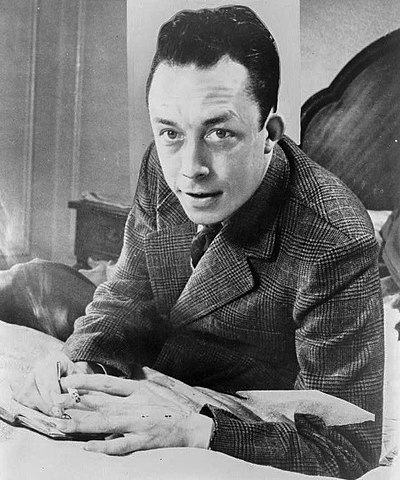
Albert Camus's adaptation of Fyodor Dostoyevsky's "Demons" debuted at the Antoine Theatre in Paris. The adaptation brought together two towering figures of existential and philosophical literature. Camus, a Nobel Prize-winning author, was known for his explorations of absurdism and human alienation, while Dostoyevsky's work delved into existential crises and the moral struggles of humanity.
The performance was greeted with critical acclaim. Critics praised Camus for his ability to capture the essence of Dostoyevsky’s complex narrative and philosophical depth on stage. The successful adaptation was significant for French theatre, marking an important milestone in the post-war cultural landscape. The play's reception was also a testament to the enduring relevance of Dostoyevsky's themes in the modern era, resonating with contemporary audiences who grappled with similar existential questions.
Camus’s involvement brought a new level of sophistication and intellectual rigor to the production, reflecting his deep understanding and respect for the original text. The adaptation not only enriched the French theatrical tradition but also contributed to the broader intertextual dialogue between French and Russian literature.
The opening performance drew large audiences, with each showing being nearly sold out. This success extended Camus’s influence beyond literature, making a significant cultural impact. The adaptation underscored the potential of theatre as a medium for exploring profound philosophical themes, reinforcing Camus's standing as a versatile intellectual and playwright.
#AlbertCamus #DostoyevskyAdaptation #FrenchTheatre #Existentialism #PhilosophicalDrama #MoofLife
Primary Reference
Albert Camus - Wikipedia
Explore the Life Moments of
 AI Twin