Camus Exposes Poverty in Kabylie: Urgent Call for Reforms
France
Political
Social Justice
4 min read
Updated By: History Editorial Network (HEN)
Published:
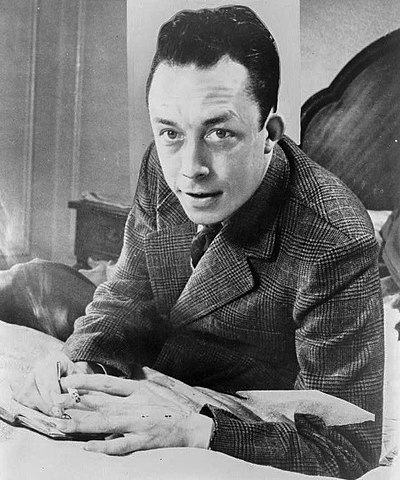
Albert Camus wrote a series of articles for Alger républicain detailing the poor living conditions in the Kabylie region. The Kabylie region, located in northern Algeria, was marked by severe poverty, malnutrition, and lack of basic infrastructure. Camus' articles highlighted the extreme hardships faced by the Kabyle people. He described communities afflicted by widespread famine, insufficient medical services, and inadequate housing, providing a stark depiction of the neglect by colonial authorities.
Camus aimed to draw attention to the urgent need for reforms. He reported that the average income for a Kabyle family was only a fraction of what was required to meet basic needs, and that many families subsisted on less than one meal a day. The area suffered from high rates of infant mortality and widespread illiteracy. Camus' writings emphasized the human cost of such conditions, presenting a compelling case for immediate governmental intervention.
The publication of these articles had significant social and political repercussions. They increased public awareness about the plight of the Kabyle people and placed pressure on authorities to address these issues. Camus' forthright critique of the colonial regime's negligence brought him into conflict with those in power but also garnered him significant praise from reform-minded intellectuals and activists.
Camus' work in Kabylie exemplifies his commitment to social justice and his willingness to confront uncomfortable truths. This episode was pivotal in shaping his later philosophical and literary contributions, which often focused on themes of human suffering and moral responsibility.
#AlbertCamus #Journalism #SocialJustice #Colonialism #Kabylie #HumanRights #MoofLife
Primary Reference
Rethinking Architectural Historiography
Explore the Life Moments of
 AI Twin