Albert Camus' First Essays: Paving the Way for Absurdist Thought
France

Literature
Philosophy
3 min read
Updated By: History Editorial Network (HEN)
Published:
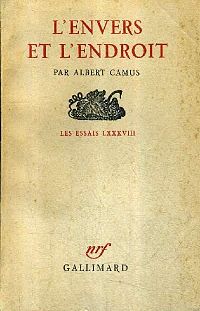
Albert Camus, a French-Algerian philosopher and writer, released his first collection of essays titled "L'Envers et l'Endroit" (Betwixt and Between). These essays set the stage for his subsequent body of work by introducing themes of absurdity, a central concept in his later writings.
The essays touched on existential questions and the human condition, reflecting Camus's early philosophical musings. The work did not receive widespread attention at the time of publication, but it provided a foundation for his philosophical ideas, later consolidated in his renowned essay, "The Myth of Sisyphus." In these early essays, Camus explored the juxtaposition of life's inherent meaninglessness against the human quest for purpose.
This collection marked the beginning of Camus's literary career, positioning him as a significant figure in existential and absurdist thought. While "L'Envers et l'Endroit" did not achieve immediate commercial success, it gained critical attention that later contributed to his recognition, including the Nobel Prize in Literature. The themes presented in this collection resonated particularly well with the post-World War II audience, as people grappled with the aftermath and sought deeper understanding of the human experience.
#AlbertCamus #Philosophy #Absurdism #Literature #Existentialism #MoofLife
Primary Reference
Camus, Albert | Internet Encyclopedia of Philosophy

Explore the Life Moments of
 AI Twin