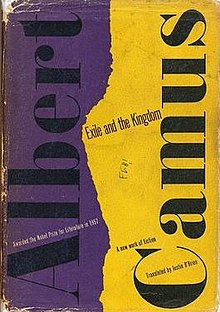
Albert Camus' "Exile and the Kingdom" delves into existential themes, reflecting on human struggles.
France

Literature
Philosophy
4 min read
Updated By: History Editorial Network (HEN)
Published:
Updated:
Albert Camus released his collection of short stories, "L'Exil et le royaume" (Exile and the Kingdom), which featured various narratives centered around themes of isolation, existentialism, and the human condition. The collection, comprising six stories, was emblematic of Camus's philosophical inquiries into the human spirit and moral complexities.
Camus, already renowned for works such as "The Stranger" and "The Plague," employed these stories to encapsulate the struggles of individuals within societal constraints and emotional exile. His acute observations of human nature resonated with readers, further solidifying his position as a key figure in existentialist literature.
Upon its release, "L'Exil et le royaume" was met with significant academic and public interest. Critics praised Camus for his insightful exploration of existential themes, while readers found the stories deeply reflective of post-war Europe’s sentiments.
The publication contributed to the broader literary conversation about the individual’s search for meaning in an often indifferent world. Notable stories such as "The Adulterous Woman" and "The Silent Men" highlighted personal and collective exile, emphasizing both physical and psychological dimensions. Camus's nuanced approach offered a richer understanding of alienation and the pursuit of redemption.
"L'Exil et le royaume" reinforced Camus's influence not merely as an author but also as a thinker who navigated complex moral landscapes. Camus's work continued to impact contemporary thought, encouraging readers to reflect on their own lives within the existential framework he so adeptly described.
#MoofLife #AlbertCamus #Existentialism #LiteraryImpact #HumanCondition #PostWarLiterature
Primary Reference
The Guest (short story) - Wikipedia

Explore the Life Moments of
 AI Twin