Albert Camus adapts Faulkner's "Requiem for a Nun" for stage, blending existentialism with Southern Gothic.
France
Literature
Theater
3 min read
Updated By: History Editorial Network (HEN)
Published:
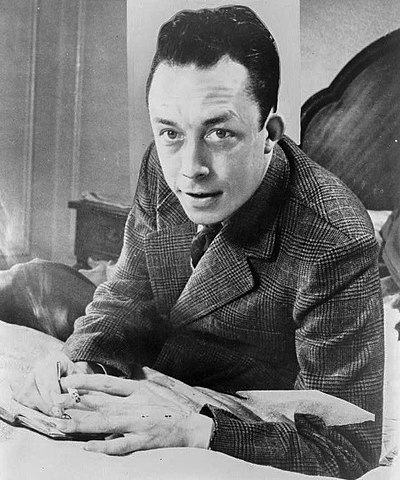
Albert Camus adapted William Faulkner's novel "Requiem pour une nonne" (Requiem for a Nun) for the stage, bringing its themes and narrative to a new medium. Camus, a Nobel Prize-winning author, was known for his existential works and his ability to delve into complex human conditions. His adaptation of Faulkner's novel marked a significant intersection between American Southern Gothic literature and European existentialism.
The novel itself deals with themes of sin, redemption, and the inescapable past, revolving around Temple Drake, a woman facing the consequences of her actions. In transforming this story for the theater, Camus emphasized the moral and existential questions inherent in Faulkner's work, making it resonate with contemporary audiences. The collaboration between these literary giants symbolized a fusion of cultural and philosophical currents, showcasing how literature can transcend geographical and stylistic boundaries.
The theatrical production received varied responses from critics and audiences. Some praised its bold narrative and thematic depth, while others found the adaptation challenging to digest. Nonetheless, it was an important cultural event that demonstrated the power of literature and theater to address profound human dilemmas.
#AlbertCamus #WilliamFaulkner #Theater #Existentialism #Literature #Adaptation #MoofLife
Primary Reference
Requiem for a Nun | play by Camus | Britannica
Explore the Life Moments of
 AI Twin