LG Display Develops 19-Inch Flexible Electronic-Paper Display Technology
Seoul, South Korea
8 min read
Updated By: History Editorial Network (HEN)
Published:
In January 2010, LG Display announced the development of a 19-inch flexible electronic-paper display, demonstrating progress in lightweight, bendable screen technology. Although the event is sometimes dated to January 2009, the widely reported announcement of LG Display's 19-inch flexible e-paper prototype took place on 14/01/2010. The development formed part of the South Korean company's research into alternatives to conventional rigid display panels, particularly for electronic newspapers, digital reading devices, and portable information displays.
The prototype featured a 19-inch diagonal screen, approximately the size of a tabloid newspaper page. Unlike traditional glass-based displays, LG Display's electronic-paper panel used a flexible substrate, allowing it to bend without the same limitations associated with rigid screens. The company reported that the display was approximately 0.3 millimeters thick and weighed around 130 grams. These characteristics made the prototype substantially lighter and thinner than conventional display panels of comparable size.
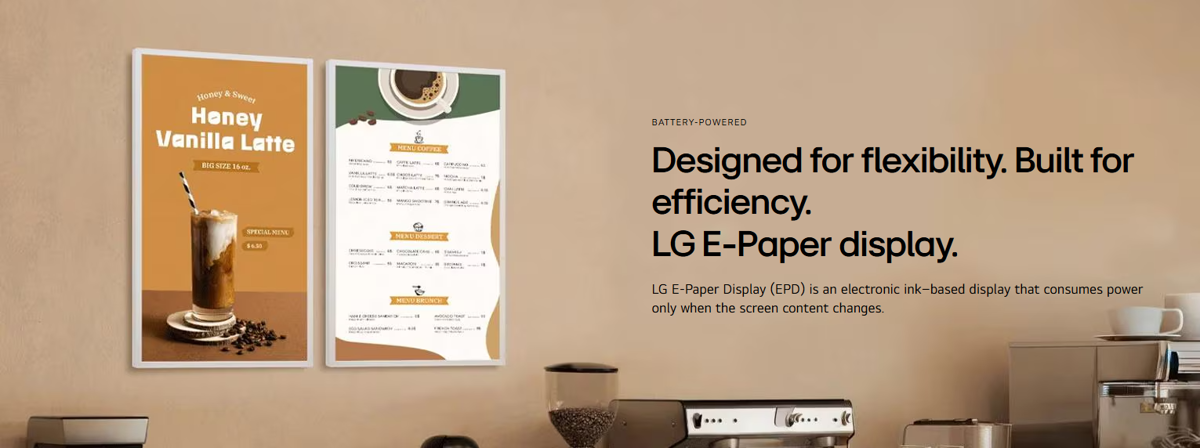
LG Display developed the prototype using electronic-paper technology designed to reproduce text and images with an appearance resembling printed paper. Electronic-paper displays generally use reflected ambient light rather than the continuous backlighting required by conventional LCD screens. Their low power consumption is particularly useful for reading applications because many electronic-paper technologies require energy primarily when the displayed content changes. This made the technology relevant to electronic newspapers, e-books, digital documents, and other information-focused devices.
The 19-inch prototype was intended to demonstrate the feasibility of larger flexible electronic-paper screens. At the time, commercially available electronic readers generally featured much smaller, rigid displays. LG Display's larger format suggested possible applications in portable newspaper-style readers and digital publications that could be carried more conveniently than conventional flat-panel devices. However, the announcement concerned a technological prototype rather than the immediate commercial release of a finished consumer product.
LG Display was already an established manufacturer of liquid crystal display panels used in televisions, computer monitors, and portable electronic devices. Its research into flexible electronic paper represented a different direction in display engineering, emphasizing reduced weight, mechanical flexibility, and low energy consumption instead of high-resolution moving images or conventional multimedia performance.
The company continued developing flexible electronic-paper technologies after the announcement. In March 2012, LG Display announced the start of mass production of a smaller, six-inch flexible electronic-paper display intended for electronic reading devices. That later product used a plastic substrate and was designed to withstand bending and accidental drops, illustrating how research into flexible displays could progress toward commercially manufactured components.
Historical Significance
The 19-inch electronic-paper prototype demonstrated that flexible display technology could extend beyond small electronic readers to larger, newspaper-sized formats. Its metal-foil substrate and integrated driving circuitry provided a documented example of how manufacturers could improve flexibility while maintaining display functionality. LG Display's subsequent development of plastic electronic-paper panels and flexible OLED technology reflected the company's continued research into alternatives to rigid glass displays.
Primary Reference
LG

Explore the Life Moments of
 AI Twin