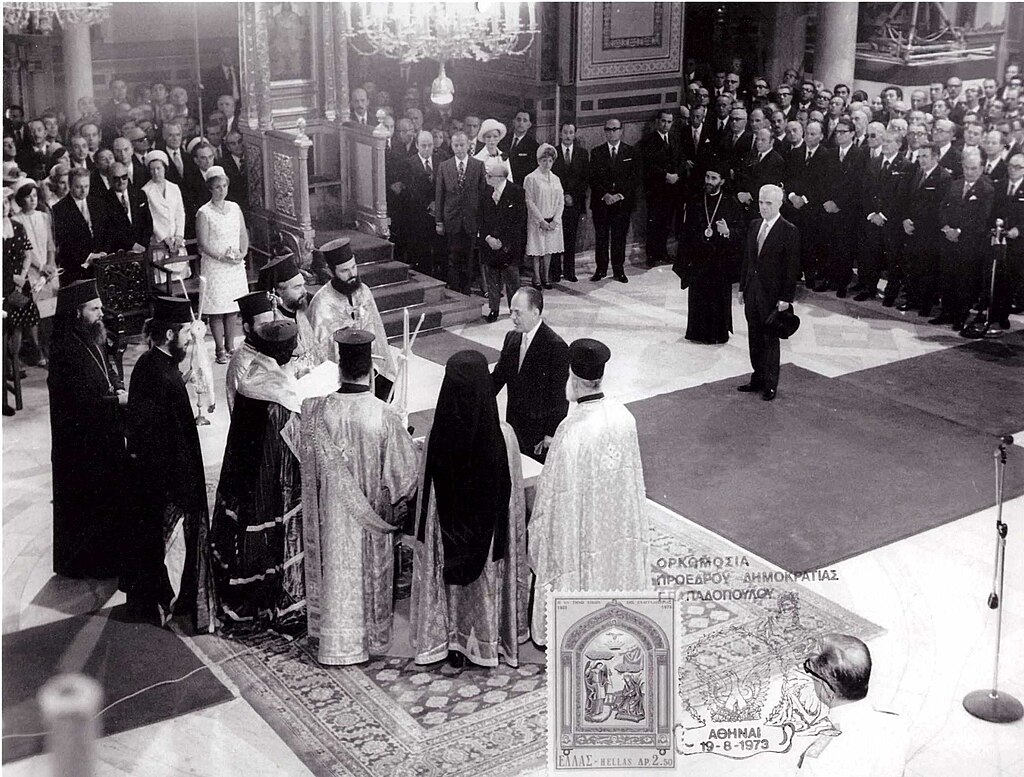
Transition from Monarchy to Republic in Greece
Greece

Political
4 min read
Updated By: History Editorial Network (HEN)
Published:
In 1973, Greece underwent a pivotal transformation as the monarchy was abolished, giving way to a republic with a new governance structure and leadership. The shift marked the end of a tumultuous period in Greek history, which saw political instability and social unrest.
The decision to replace the monarchy with a republic was met with mixed reactions from the Greek population, some viewing it as a step towards modernization and democracy, while others opposed the break from tradition. The new governance structure aimed to establish a more inclusive and participatory political system, with an emphasis on transparency and accountability.
Under the new leadership, Greece embarked on a path towards political and economic reforms, striving to overcome the challenges that had plagued the country in the past. The shift in governance also brought about changes in foreign relations and diplomatic engagements, as Greece sought to redefine its position on the global stage.
The impact of the transition to a republic was felt across various sectors of Greek society, from politics to culture. It marked a turning point in the country's history, shaping its trajectory for years to come. The establishment of a new governance structure laid the foundation for a more democratic and progressive Greece, paving the way for social and economic development.
Overall, the replacement of the monarchy with a republic in Greece in 1973 was a landmark event that reshaped the country's political landscape and set the stage for a new era of governance and leadership.
#Greece #Republic #Governance #Transformation

Explore the Life Moments of
 AI Twin