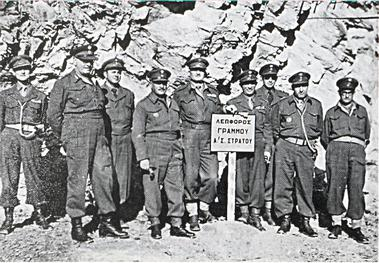
Greek Civil War ends with anti-communist regime victory, solidifying government control.
Greece

Political
4 min read
Updated By: History Editorial Network (HEN)
Published:
After a prolonged and bloody conflict, the Greek Civil War reached its conclusion with the victory of the anti-communist regime. The war had begun following the end of World War II, fueled by ideological differences and power struggles within the country. The communist forces, supported by Yugoslavia and Albania, aimed to overthrow the Greek government and establish a socialist state. On the other side, the anti-communist forces, backed by the United States and United Kingdom, fought to maintain government control and prevent the spread of communism in the region.
The conflict ravaged Greece for years, leading to widespread destruction, loss of life, and displacement of civilians. Both sides committed atrocities, further escalating tensions and deepening animosities between the factions. The involvement of external powers added another layer of complexity to the war, turning it into a proxy battleground of the emerging Cold War.
As the anti-communist forces gained momentum towards the end of the conflict, the communist forces eventually capitulated, marking a decisive victory for the government. With the end of the Greek Civil War, the anti-communist regime solidified its control over the country, ushering in a period of stability under conservative leadership.
The conclusion of the war had lasting repercussions for Greece, shaping its political landscape for decades to come. The defeat of the communist forces led to the suppression of leftist movements and the establishment of a right-wing authoritarian regime. The scars of the conflict lingered in the collective memory of the Greek people, reminding them of the turmoil and division that had torn the nation apart.
#GreekCivilWar #AntiCommunistVictory #GovernmentControl #ColdWarProxy #StabilityAchieved
Explore the Life Moments of
 AI Twin