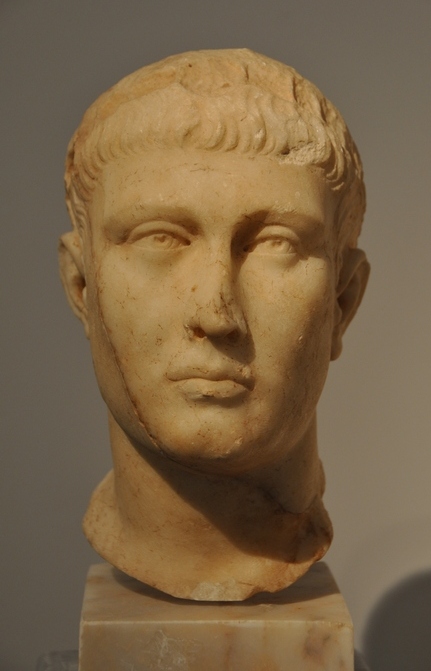
Theodosius I's Edict: Officializing Christianity in Thessalonica
Greece
Religious Political
4 min read
Updated By: History Editorial Network (HEN)
Published:
In 380, Emperor Theodosius I issued the Edict of Thessalonica, declaring Christianity as the official religion of the Roman Empire. This decision marked a significant turning point in the history of the Empire and the spread of Christianity.
Before the edict, the Roman Empire had been a place of religious diversity, with various beliefs and practices coexisting. However, Theodosius' decree changed this landscape by giving Christianity a privileged position within the Roman state. The edict not only solidified the position of Christianity but also marginalized other religions, leading to the decline of pagan practices.
The impact of the Edict of Thessalonica was profound. It paved the way for the Christianization of the Roman Empire, influencing its laws, culture, and institutions. Churches were built, Christian holidays were observed, and Christian clerics gained influence in society. Theodosius' decree also set the stage for Christianity to become the dominant religion in Europe for centuries to come.
The Edict of Thessalonica was a reflection of the growing power and influence of the Christian church in the Roman Empire. It signaled a shift away from the traditional polytheistic beliefs of the past towards monotheism. Theodosius' decision to make Christianity the official religion was a significant step in the transformation of the Empire into a Christian state.
This pivotal moment in history highlights the intersection of religion and politics and the far-reaching consequences of such decisions. The legacy of the Edict of Thessalonica can still be seen today in the prevalence of Christianity in Western civilization.
#EmperorTheodosiusI #EdictofThessalonica #Christianization #RomanEmpire #ReligiousHistory #Greece
Primary Reference
Christianity in the Roman Empire (article) | Khan Academy

Explore the Life Moments of
 AI Twin