Edict of Milan: Religious Freedom in Roman Empire
Greece
Religion
4 min read
Updated By: History Editorial Network (HEN)
Published:
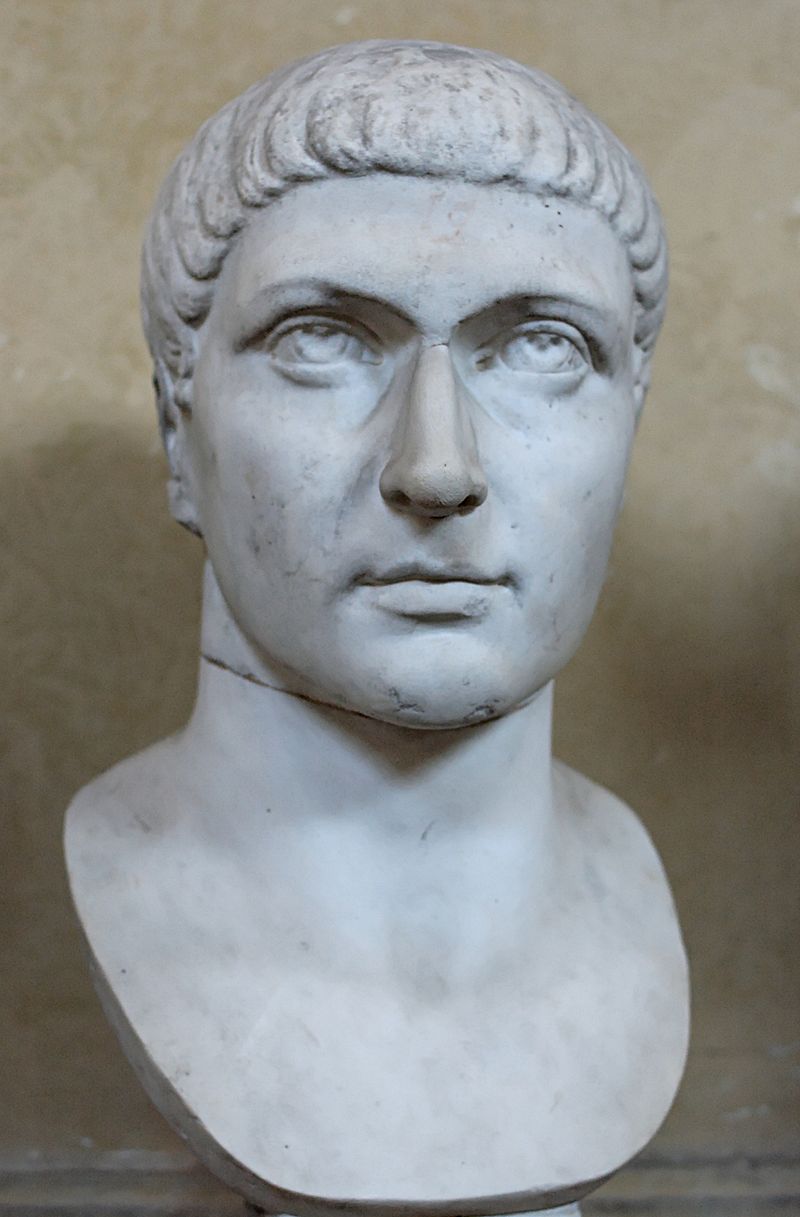
In the early 4th century AD, the Roman Empire was marked by religious turmoil, particularly between the adherents of Christianity and the traditional Roman pagan religions. Constantine, who ruled the Western Roman Empire, and Licinius, who governed the Eastern Roman Empire, issued the Edict of Milan which granted religious freedom to all individuals within the empire.
The Edict of Milan marked a significant shift in Roman policy towards religious tolerance. It allowed Christians to practice their faith openly, ending years of persecution. Additionally, it extended the same rights to followers of other religions, promoting unity and harmony within the empire. This edict laid the foundation for the eventual acceptance and dominance of Christianity throughout the Roman Empire.
The impact of the Edict of Milan was profound and far-reaching. It not only granted freedom of worship to all citizens but also allowed the Christian faith to flourish. Churches were built, and Christian communities thrived without fear of persecution. The edict set a precedent for future emperors to uphold religious tolerance, shaping the religious landscape of the empire for years to come.
The Edict of Milan was a pivotal moment in the history of the Roman Empire. It marked the beginning of a new era of religious freedom and tolerance, paving the way for Christianity to become the dominant religion in the empire. The edict's legacy endured long after the reign of Constantine and Licinius, influencing the development of Christianity and shaping the course of Western civilization.
#EdictofMilan #RomanEmpire #ReligiousFreedom #Constantine #Licinius #Christianity #Unity
Primary Reference
Edict of Milan - Wikipedia

Explore the Life Moments of
 AI Twin