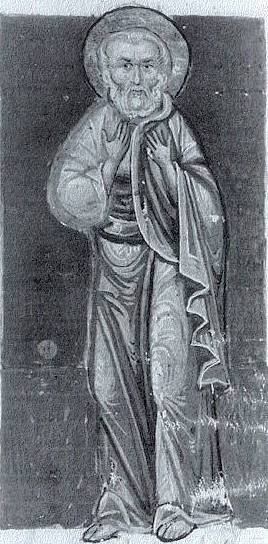
Euagrius Ponticus, influential monk, theologian, and writer on asceticism and spirituality, passes away.
Greece
8 min read
Updated By: History Editorial Network (HEN)
Published:
In 399, the monastic and theological world lost one of its most influential figures with the passing of Evagrius Ponticus. Born in 345 in the city of Ibora in Pontus, Evagrius emerged as a significant early Christian monk, theologian, and writer, whose works on asceticism and spirituality would leave a lasting impact on Christian monasticism.
Evagrius Ponticus was educated in Constantinople, where he studied under Gregory of Nazianzus, one of the Cappadocian Fathers. His intellectual prowess and oratorical skills soon brought him to the attention of influential church leaders, leading to his ordination as a deacon by Basil the Great. Despite his early successes and promising career, Evagrius faced personal trials that prompted a radical change in his life.
A turning point came when Evagrius became involved in a scandalous relationship with a married woman, leading to a spiritual crisis. This prompted him to leave Constantinople and seek a life of repentance and asceticism. He initially joined the monastic community in Jerusalem, under the guidance of Melania the Elder, before moving to the Egyptian desert around 383, where he spent the rest of his life among the Desert Fathers.
In the harsh environment of the Egyptian desert, Evagrius Ponticus dedicated himself to a life of severe asceticism, contemplation, and writing. He became a disciple of the renowned desert monks Macarius of Egypt and Macarius of Alexandria. His experiences and spiritual practices during this time profoundly shaped his theological and ascetic writings, which emphasized the importance of inner purity, the discipline of the mind, and the pursuit of spiritual knowledge.
Evagrius is perhaps best known for his development of the "Eight Evil Thoughts," a precursor to the concept of the Seven Deadly Sins in Western Christianity. These eight thoughts—gluttony, lust, avarice, sadness, anger, acedia (spiritual sloth), vainglory, and pride—were seen by Evagrius as fundamental obstacles to spiritual progress. He provided practical advice on combating these thoughts, emphasizing the need for vigilance, prayer, and ascetic practices to achieve a state of apatheia, or freedom from passions.
His work "Praktikos" serves as a manual for monks, offering guidance on the ascetic life and spiritual warfare. Another significant work, "Gnostikos," delves into the more advanced stages of spiritual knowledge and contemplation, offering profound insights into the mystical experiences of the divine. These texts, along with his extensive letters and other writings, cemented his reputation as a master of Christian spirituality and monastic wisdom.
Despite his contributions, Evagrius's teachings were not without controversy. Some of his more speculative theological ideas, particularly those influenced by Origen, were later condemned as heretical by various church councils. Nonetheless, his practical insights into the monastic life and his psychological understanding of the human soul's struggles have been highly influential.
Evagrius Ponticus passed away in 399 in the Egyptian desert, but his legacy lived on through his writings and the many disciples he inspired. His works continued to be read and respected within Eastern Orthodox monasticism and later influenced Western Christian spirituality through figures such as John Cassian.
Evagrius's teachings on asceticism and the inner life remain relevant to this day, offering timeless wisdom on the nature of spiritual struggle and the path to inner peace. His emphasis on the transformative power of prayer, contemplation, and disciplined living continues to inspire those seeking a deeper understanding of the spiritual life.
#MomentsOfLife #MoofLife_Moment #MoofLife #EvagriusPonticus #ChristianMysticism #Monasticism #DesertFathers #Spirituality #Asceticism #EarlyChristianity
Primary Reference
The Beginning of Wisdom: Imagining fear in French Romanesque ...

Explore the Life Moments of
 AI Twin