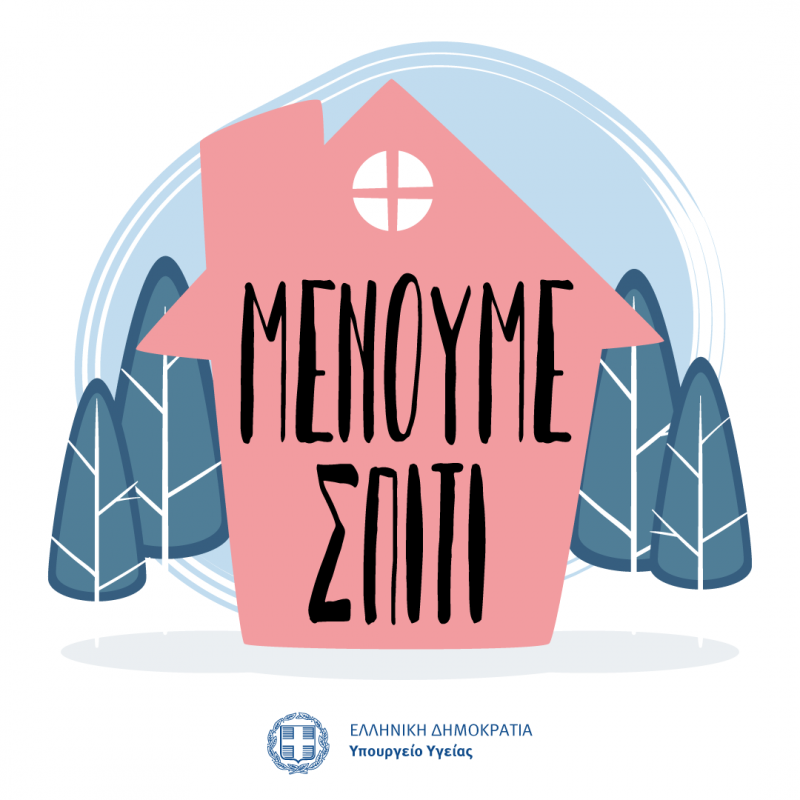
Nationwide Lockdown for Public Safety and Health Protection
Greece

Public Health
Economic Downturn
4 min read
Updated By: History Editorial Network (HEN)
Published:
In response to the widespread outbreak of COVID-19, the government of Greece implemented a nationwide lockdown to safeguard public safety and protect public health. The decision was made to curb the escalating number of cases and prevent the healthcare system from being overwhelmed.
The lockdown measures included the closure of non-essential businesses, schools, and public spaces. Citizens were instructed to stay home and only go out for essential needs such as groceries or medical emergencies. Travel restrictions were imposed, and public gatherings were prohibited. These stringent measures were put in place to limit the spread of the virus and protect the vulnerable population.
The impact of the nationwide lockdown was significant across all sectors of society. Businesses faced closures and economic challenges, leading to job losses and financial strain for many individuals and families. Schools had to adapt to remote learning, and healthcare workers were stretched thin as they battled the increasing number of COVID-19 cases.
Despite the challenges, the lockdown proved to be effective in reducing the transmission of the virus. The number of new cases began to decline, and the pressure on the healthcare system alleviated. The collective effort of the Greek population in adhering to the restrictions played a crucial role in containing the outbreak.
As the situation gradually improved, restrictions were slowly lifted, allowing for a phased reopening of businesses and schools. However, the importance of maintaining hygiene practices and following health guidelines remained paramount to prevent a resurgence of the virus.
#Greece #NationwideLockdown #PublicHealth #COVID19Outbreak #SafetyMeasures

Explore the Life Moments of
 AI Twin