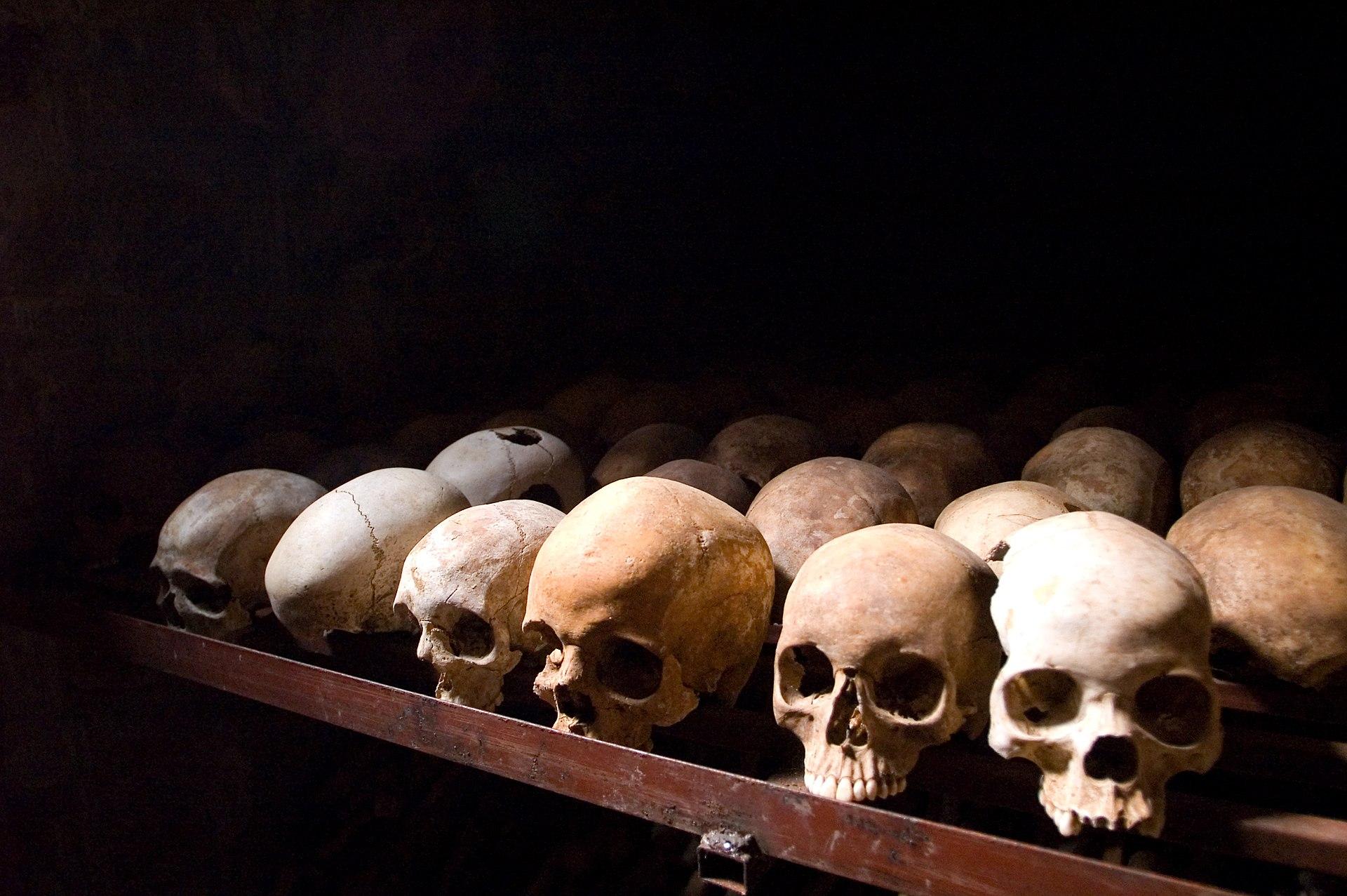
The Gukurahundi massacre beginning in Matabeleland
Zimbabwe
Massacre
10 min read
Updated By: History Editorial Network (HEN)
Published:
In 1983, the Gukurahundi massacre began in Matabeleland, a tragic and brutal chapter in Zimbabwe's history that resulted in the deaths of thousands of people, primarily from the Ndebele ethnic group. This massacre, which continued into the mid-1980s, was carried out by the Zimbabwean government’s military forces under the leadership of Prime Minister Robert Mugabe. The Gukurahundi events remain one of the most sensitive and controversial topics in Zimbabwe's post-independence history.
Background: Post-Independence Tensions
Zimbabwe gained independence from British colonial rule in 1980, following a protracted guerrilla war known as the Second Chimurenga or the Rhodesian Bush War. The conflict had pitted the white-minority government of Rhodesia against black nationalist movements, the Zimbabwe African National Union (ZANU), led by Robert Mugabe, and the Zimbabwe African People's Union (ZAPU), led by Joshua Nkomo. ZANU drew its support mainly from the Shona ethnic group, while ZAPU was predominantly supported by the Ndebele people.
At independence, Robert Mugabe became the Prime Minister of Zimbabwe, heading a government formed by ZANU-PF, a party that emerged from the ZANU faction. Although a unity government was established with ZAPU, underlying ethnic and political tensions persisted. Mugabe and his ZANU-PF government viewed ZAPU and its supporters as potential threats to their hold on power, especially in Matabeleland, where ZAPU had strong support.
The Gukurahundi Campaign
The term "Gukurahundi" is derived from a Shona phrase meaning "the early rain which washes away the chaff before the spring rains," and it was used to refer to the military campaign launched by the Zimbabwean government in Matabeleland and parts of the Midlands. Officially, the campaign was described as an effort to suppress dissident activities in the region, but in reality, it targeted the civilian population, particularly the Ndebele people.
In early 1983, the Zimbabwean government deployed the Fifth Brigade, a North Korean-trained military unit, to Matabeleland. The Fifth Brigade operated independently of the regular army and police forces and reported directly to Mugabe. The brigade was notorious for its brutality and operated under a mandate that seemed more focused on punishing the Ndebele population than addressing any real threat from dissidents.
Atrocities and Human Rights Violations
The Gukurahundi campaign was marked by widespread atrocities, including mass killings, torture, rape, and the destruction of property. The Fifth Brigade conducted a series of massacres in villages and towns across Matabeleland, targeting civilians rather than combatants. Victims were often accused of being dissidents or of supporting ZAPU, even though many had no involvement in political activities.
Estimates of the number of people killed during Gukurahundi vary, but human rights organizations and historians generally place the death toll between 10,000 and 20,000. Thousands more were tortured, raped, or displaced as a result of the campaign. The brutality of the Fifth Brigade was widely condemned internationally, but within Zimbabwe, the government maintained a tight grip on information, and many details of the atrocities were suppressed.
Political Motivations and Aftermath
The Gukurahundi campaign was driven by multiple factors, including ethnic tensions, political power struggles, and Mugabe’s desire to consolidate control over Zimbabwe. By targeting the Ndebele people and ZAPU supporters, Mugabe effectively eliminated his main political rival, Joshua Nkomo, who fled into exile during the campaign.
In 1987, the violence eventually subsided following the signing of the Unity Accord between ZANU-PF and ZAPU. This agreement merged the two parties into a single political entity under Mugabe's leadership, effectively ending the political competition between them. However, the scars of Gukurahundi remained, and the region of Matabeleland was left traumatized and marginalized.
Legacy and Contemporary Repercussions
The Gukurahundi massacre left a lasting legacy of pain and division in Zimbabwe. The atrocities committed during this period remain a highly sensitive and unresolved issue in Zimbabwean politics and society. Many survivors and victims' families continue to demand justice, truth, and reconciliation, but successive Zimbabwean governments have largely avoided addressing the issue.
In recent years, there have been some gestures towards acknowledging the events of Gukurahundi. In 2011, Mugabe described Gukurahundi as "a moment of madness," but this statement fell far short of the full accountability and reparations that many in Matabeleland sought. After Mugabe's ousting in 2017, his successor, President Emmerson Mnangagwa, who had been a key figure in Mugabe's government during the Gukurahundi period, made some attempts at reconciliation, but these efforts have been viewed with skepticism by many survivors.
The Gukurahundi remains a profound and unresolved issue in Zimbabwe’s national consciousness, symbolizing the deep divisions and violence that have marked the country’s post-independence history. It is a period that continues to demand recognition, justice, and healing for those who suffered during this dark chapter.
#MomentsOfLife #MoofLife_Moment #MoofLife #Gukurahundi #Zimbabwe #HumanRights #PostIndependence #Ndebele #EthnicConflict
Primary Reference
Gukurahundi - Wikipedia
Explore the Life Moments of
 AI Twin