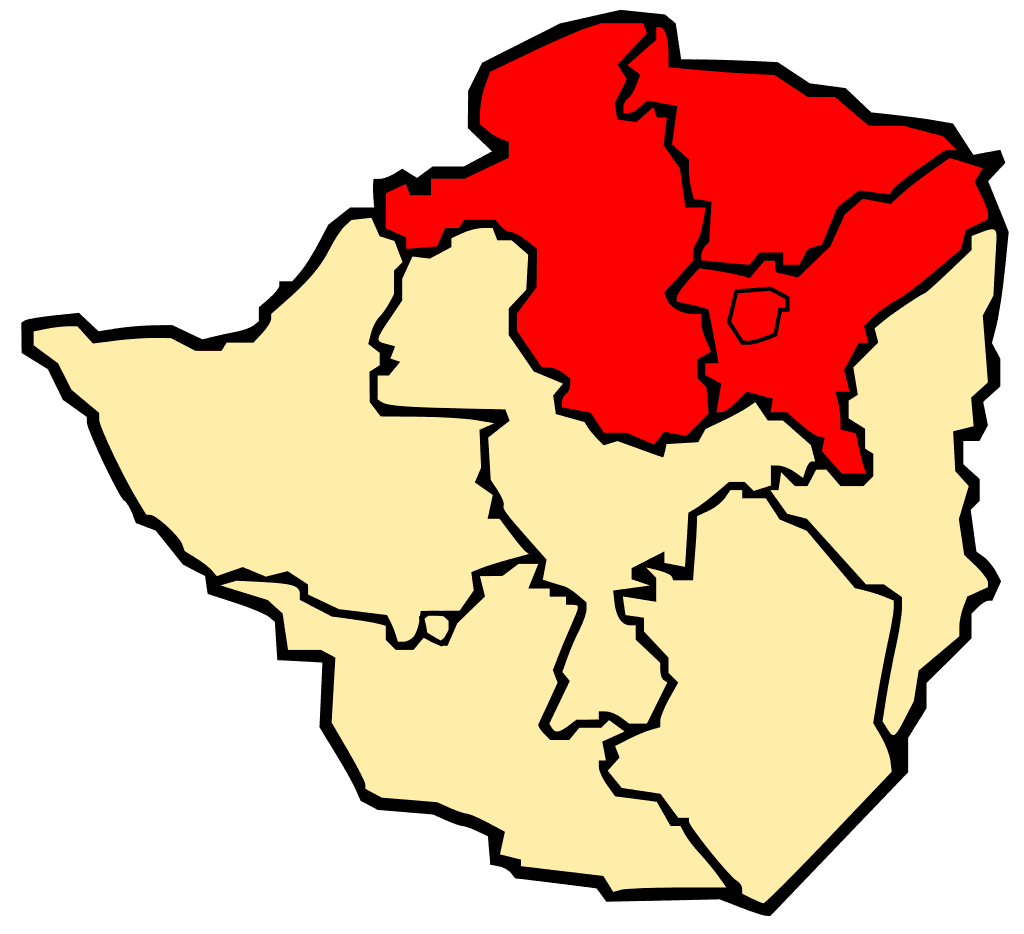
Colonial Rule in Mashonaland
Zimbabwe
Colonial African
5 min read
Updated By: History Editorial Network (HEN)
Published:
The occupation of Mashonaland by the British South Africa Company marked the onset of colonial rule in this area of present-day Zimbabwe. The British South Africa Company, chartered by Queen Victoria, aimed to exploit resources and establish British economic and political interests in southern Africa. The organization was spearheaded by Cecil Rhodes, whose vision included extending British influence across the African continent.
To secure control of Mashonaland, the British South Africa Company organized a pioneering expedition known as the Pioneer Column. This force, consisting of approximately 200 settlers and 500 laborers, was under the command of Major Frank Johnson and guided by Frederick Selous, famed explorer and hunter. Their route began from Bechuanaland, moving northwards and entering Mashonaland through the north-eastern highlands, eventually marking the establishment of Fort Salisbury, later known as Harare.
The establishment of colonial rule in Mashonaland saw significant changes in the region. The company set up an administrative framework which laid the foundation for subsequent British policies and control mechanisms. To ensure compliance and suppress resistance, military outposts were established throughout the territory. Native populations, primarily the Shona, faced the imposition of new governance structures, land dispossession, and altered cultural dynamics.
Economically, the occupation facilitated the exploitation of local minerals and resources, key objectives of the British South Africa Company. The introduction of new farming techniques and the development of infrastructures, like railway lines, connected Mashonaland with other British controlled territories in southern Africa, eventually integrating the local economy into the broader colonial framework.
The occupation of Mashonaland had lasting effects on the region's socio-political landscape. The indigenous communities endured disruptions to their traditional lifestyles, land ownership patterns, and an influx of European settlers who claimed large tracts of arable land. These changes sowed the seeds for future social and political unrest that would eventually contribute to the struggle for independence in the mid-20th century.
#ColonialHistory #Zimbabwe #Mashonaland #CecilRhodes #BritishColonization #AfricanHistory #MoofLife
Primary Reference
British South Africa Company - Wikipedia

Explore the Life Moments of
 AI Twin