Challenges from Economic Structural Adjustment Program
Zimbabwe
Economic Downturn
Global Trade
6 min read
Updated By: History Editorial Network (HEN)
Published:
In an effort to stimulate economic growth and address structural problems within the economy, Zimbabwe adopted the Economic Structural Adjustment Program (ESAP), a policy framework proposed by the International Monetary Fund (IMF) and the World Bank. The program aimed to shift the country from a state-controlled economy to a market-oriented economy. This involved reducing government expenditure, deregulating markets, liberalizing trade, and devaluing the currency.
Background to the implementation of ESAP included a period of significant government expenditure following independence, which was directed towards social services, public sector jobs, and welfare programs. However, this spending was not matched by productivity or revenue, leading to fiscal deficits and mounting debt.
The ESAP initiative was expected to attract foreign investment, boost exports, and create jobs, theoretically leading to economic stabilization and growth. Aspects of the program included reducing tariffs, deregulating transport and energy sectors, and removing subsidies. Education and healthcare sectors were also affected, with budget cuts leading to an introduction of user fees.
Unfortunately, the immediate outcomes did not align with the program’s optimistic forecasts. Unemployment rates rose, reaching levels considered alarming by social scientists. The reduction in government spending led to downsizing in public sector employment, affecting thousands of workers. Economic growth stagnated and the promised foreign investments did not materialize as anticipated.
Social impacts were profound. Healthcare and education deteriorated as costs became prohibitive for many families. The cost of living soared, exacerbating poverty and leading to widespread dissatisfaction among the populace. The agricultural sector, a backbone of the Zimbabwean economy, experienced declines due to increased costs of inputs and reduced government support.
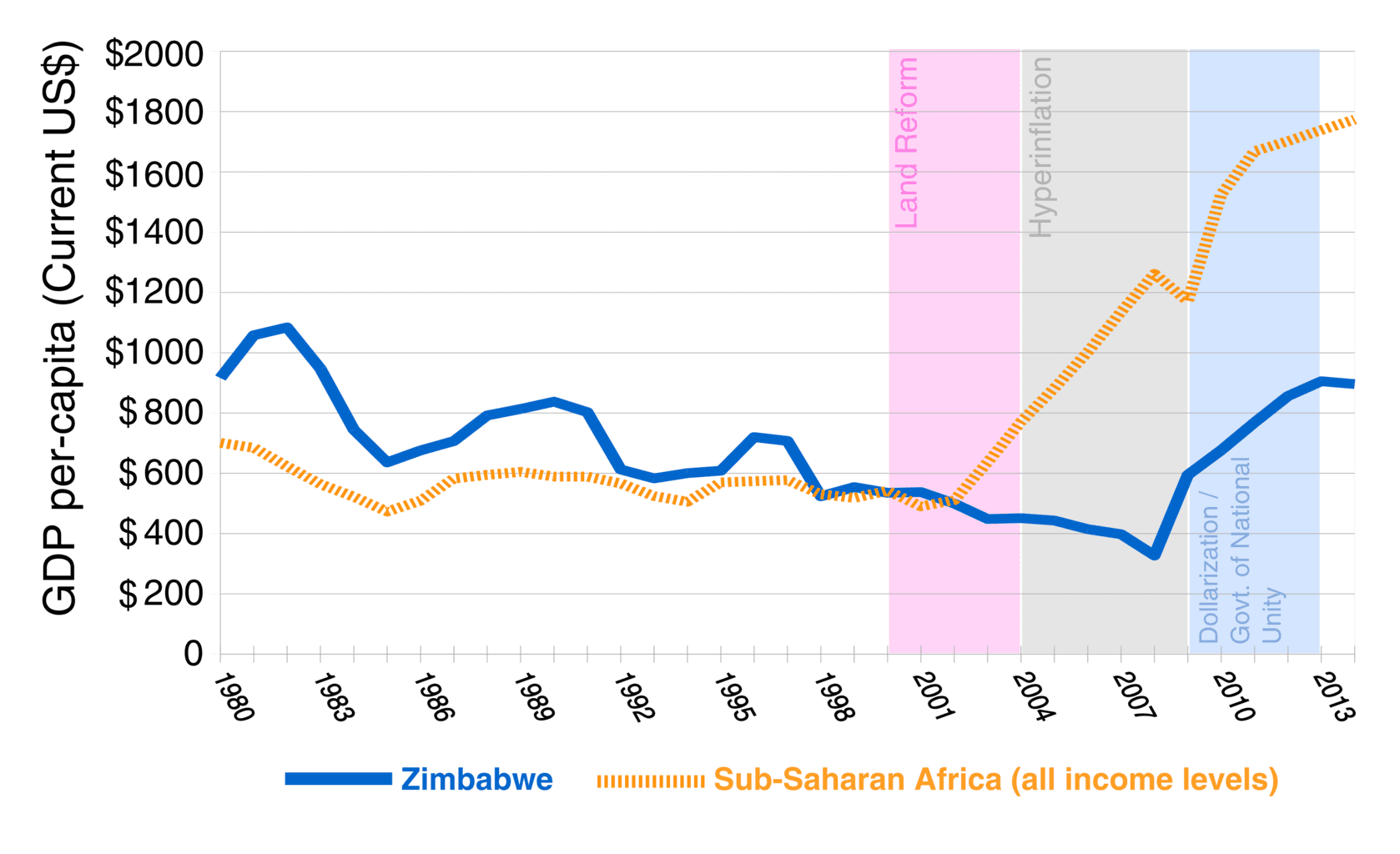
Statistically, the anticipated reduction in inflation was not realized, and levels of inflation soared due to currency devaluation and rising costs of imported goods. The gross domestic product (GDP) growth rate remained sluggish despite structural adjustments. Critics argued that the program ignored the socio-economic realities of Zimbabwe, leading to dire consequences for its citizens.
In summary, the implementation of ESAP set off a chain of economic and social challenges that deeply affected the nation. Hashtags:
#MoofLife
#EconomicReform
#ZimbabweChallenges
#PublicPolicy
#EconomicImpact

Explore the Life Moments of
 AI Twin