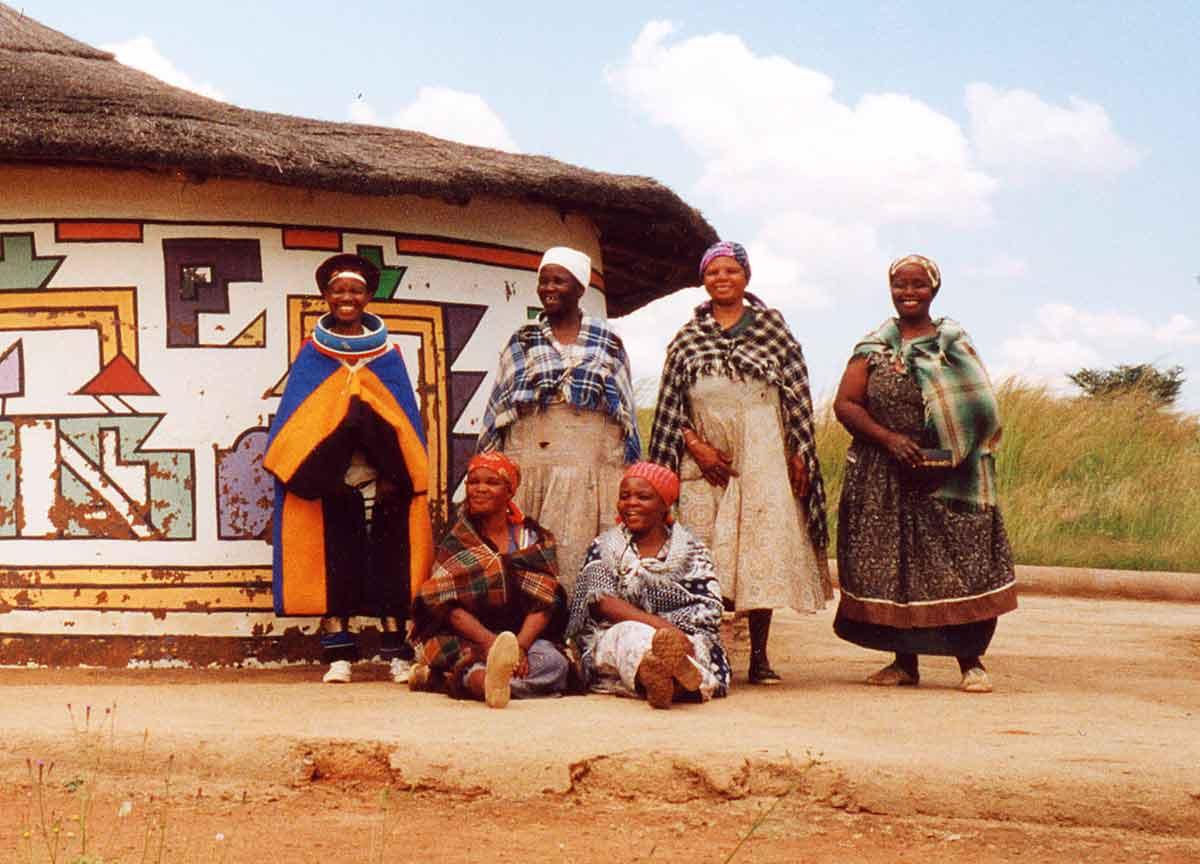
Arrival of the Ndebele people in present-day Zimbabwe, initiating the process of territorial conquest.
Zimbabwe
Migration
10 min read
Updated By: History Editorial Network (HEN)
Published:
In 1830, the Ndebele people, led by their formidable king, Mzilikazi Khumalo, arrived in the region now known as Zimbabwe. This migration marked the beginning of the Ndebele's establishment of a powerful kingdom through territorial conquest, significantly altering the social and political landscape of the region.
Background: The Ndebele Migration
The Ndebele people were originally part of the Zulu Kingdom in present-day South Africa. Mzilikazi Khumalo, a military leader and close ally of the Zulu king, Shaka, had risen to prominence under Shaka's reign. However, after a falling out with Shaka, Mzilikazi fled the Zulu Kingdom around 1821, taking with him a group of followers. Over the next several years, Mzilikazi and his followers, now known as the Ndebele (derived from the term "Matabele" in Sesotho), migrated northward.
The Ndebele's journey, often referred to as the mfecane or difaqane (a period of widespread chaos and warfare among indigenous ethnic communities in southern Africa), involved moving through and conquering various territories. They engaged in conflicts with local groups, either assimilating them into their ranks or displacing them. This movement northward was marked by a series of battles, raids, and strategic alliances, as the Ndebele sought to establish a new homeland.
Arrival in Present-Day Zimbabwe
By 1830, Mzilikazi and the Ndebele had reached the southwestern region of present-day Zimbabwe. The area was inhabited by various Shona-speaking peoples, who were organized into small, relatively independent chiefdoms. These groups were not unified under a single political structure, making them vulnerable to the more centralized and militarized Ndebele state.
Mzilikazi established his capital at Bulawayo, which became the center of the Ndebele Kingdom. From there, the Ndebele launched campaigns to conquer and control the surrounding territories. The Ndebele military system, based on regiments (known as ibutho), was highly organized and effective, allowing them to dominate the local populations.
The Ndebele Kingdom
The Ndebele Kingdom was characterized by a hierarchical social structure with Mzilikazi at the top as the absolute ruler. The kingdom was divided into various regiments, each with its own land and responsibilities. The Ndebele imposed a system of tribute on the local Shona communities, requiring them to pay taxes in the form of grain, cattle, and other resources. Those who resisted were often met with brutal force.
The Ndebele society was largely militaristic, with the king maintaining control over the regiments and their leaders. The kingdom also practiced a form of cultural assimilation, where conquered peoples could be absorbed into Ndebele society, albeit often in subordinate roles.
Impact on the Region
The arrival of the Ndebele and the subsequent establishment of their kingdom had a profound impact on the region:
Political and Social Transformation:
The Ndebele conquest led to the creation of a centralized state in an area that had previously been characterized by smaller, fragmented chiefdoms. This centralization brought about a new social order, with the Ndebele imposing their customs, language, and governance structures on the local population.
Military Dominance:
The Ndebele's military strength allowed them to maintain control over a large territory. They became the dominant power in the region, and their influence extended over much of what is now western Zimbabwe and parts of Botswana.
Cultural Assimilation:
While the Ndebele imposed their authority over the Shona peoples, there was also a degree of cultural exchange and assimilation. Over time, the Ndebele incorporated aspects of the local cultures into their own practices, and the Shona people who lived under Ndebele rule adopted certain Ndebele customs.
Long-Term Consequences:
The Ndebele's establishment of a centralized kingdom laid the groundwork for future conflicts and interactions with European colonizers. By the late 19th century, the arrival of British colonial forces would challenge Ndebele dominance, leading to a series of confrontations, most notably the First Matabele War (1893–1894), which resulted in the eventual subjugation of the Ndebele Kingdom by the British.
Legacy
The arrival of the Ndebele in 1830 and their subsequent conquest of present-day Zimbabwe is a pivotal moment in the region's history. It marked the rise of a powerful kingdom that would shape the political, social, and cultural landscape of Zimbabwe for decades. The legacy of the Ndebele, particularly their influence on the region's demographics and culture, continues to be felt in Zimbabwe today. The history of the Ndebele Kingdom is also a key element in the broader narrative of resistance and adaptation in the face of both internal and external challenges in southern Africa.
#MomentsOfLife #MoofLife_Moment #MoofLife #Ndebele #Mzilikazi #Zimbabwe #AfricanHistory #Mfecane #ColonialHistory
Primary Reference
AP World History: Modern 2022 Free-Response Questions

Explore the Life Moments of
 AI Twin