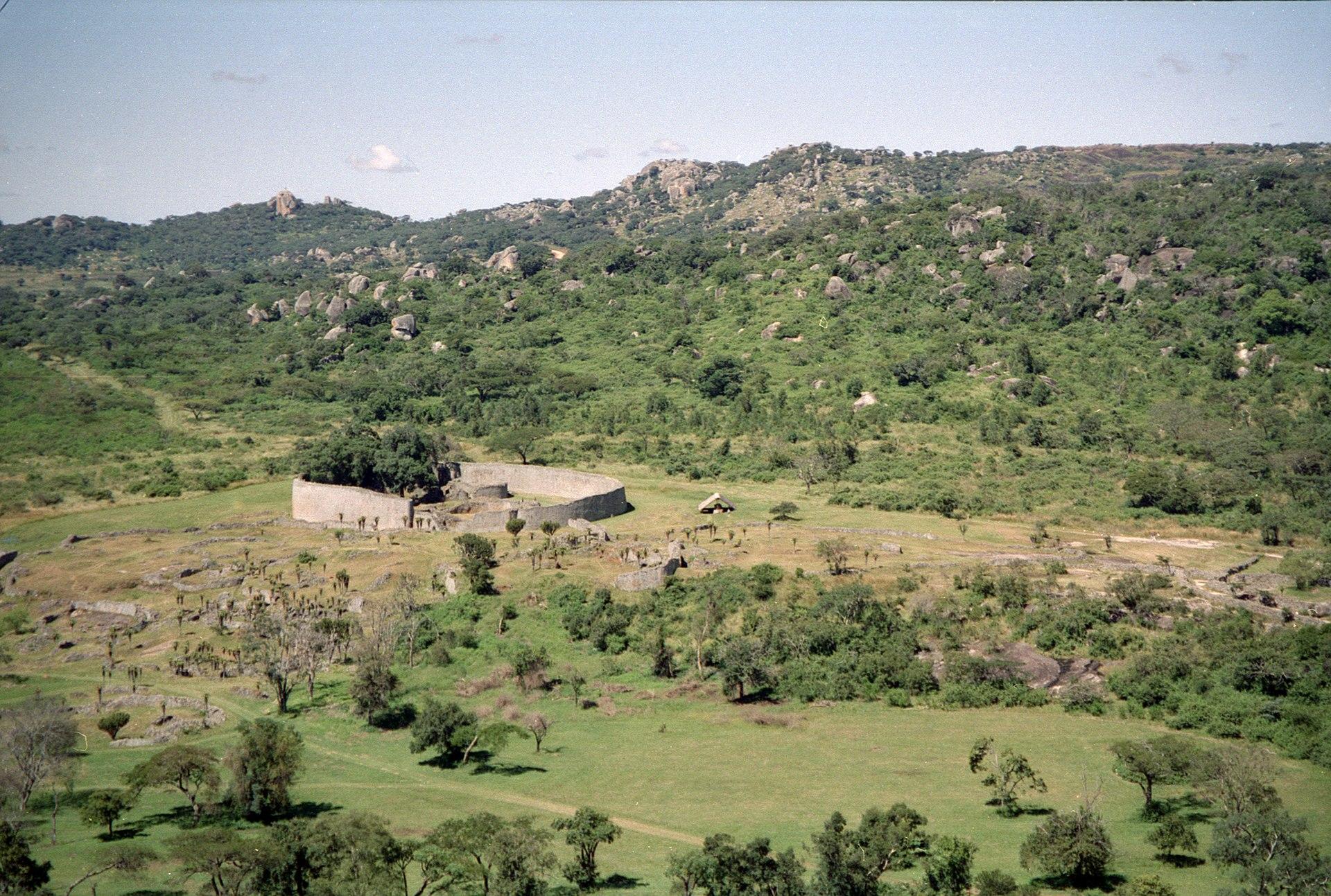
Ancient ruins named UNESCO World Heritage Site
Zimbabwe
Cultural Heritage
5 min read
Updated By: History Editorial Network (HEN)
Published:
The moment when the Great Zimbabwe ruins were designated a UNESCO World Heritage Site marked a pivotal chapter in the recognition of African heritage and archaeology. Great Zimbabwe, a complex of ruins situated in the southeastern hills of Zimbabwe near Lake Mutirikwe, had long piqued the interest of historians and archaeologists. The site comprises the Great Enclosure, the Hill Complex, and the Valley Ruins, distinguished by their dry-stone construction and intricate stone masonry.
Great Zimbabwe served as the capital of the Kingdom of Zimbabwe during the Late Iron Age, flourishing between the 11th and 15th centuries. It was an economic hub, facilitating trade in gold, ivory, and other goods with regions as far as China and Persia. Archaeological evidence suggests that the city may have housed up to 18,000 people at its peak.
The decision to bestow World Heritage status on the Great Zimbabwe ruins was based on several factors. Primarily, the site is of immense historical significance as one of the most impressive archaeological complexes in sub-Saharan Africa. The ruins symbolize the technical and architectural skills of the ancient Shona people, who constructed the towering stone walls without the use of mortar. This recognition aimed to preserve the structure and prevent further deterioration caused by natural erosion and human activities.
The impact of this designation cannot be understated. International recognition increased awareness and tourism, contributing to local economic development. It also spurred efforts in academic research and conservation, ensuring that valuable historical and cultural narratives were preserved for future generations. Moreover, it fortified Zimbabwe's national identity, celebrating its rich, pre-colonial history and cultural patrimony.
Relevant statistics indicate that since gaining World Heritage status, tourism numbers have increased substantially, generating revenue that aids in site conservation and benefiting local communities. The site now attracts researchers and tourists from around the globe, underlining its global importance.
In sum, the designation as a UNESCO World Heritage Site has ensured that Great Zimbabwe is celebrated not just as a relic of the past, but as a living testament to the ingenuity, resilience, and cultural depth of the Zimbabwean people.
#GreatZimbabwe #UNESCOheritage #AfricanHistory #CulturalPreservation #Archaeology #MoofLife
Primary Reference
Great Zimbabwe National Monument - UNESCO World Heritage ...

Explore the Life Moments of
 AI Twin