
Zambia gained independence and became the Republic of Zambia.
Political
African
5 min read
Updated By: History Editorial Network (HEN)
Published:
On a crisp October evening, Zambia transitioned from a British protectorate called Northern Rhodesia to an independent nation, establishing itself as the Republic of Zambia. This transition followed decades of political struggle and negotiation, steered by nationalist movements and leaders like Kenneth Kaunda, who played a pivotal role in advocating for independence.
The path to independence was marked by a strong sense of political awakening among Zambians. The British colonial rule that began in the 19th century saw the exploitation of Zambia's rich natural resources, particularly copper, which found its way to global markets while the local population faced systemic inequalities. Feeling the winds of change blowing across the African continent, Zambian leaders demanded a fairer and autonomous governance structure.
Kenneth Kaunda, at the helm of the United National Independence Party (UNIP), negotiated tirelessly with British officials. His efforts culminated in the Lancaster House Agreement, which laid out the framework for a peaceful transition to self-governance.
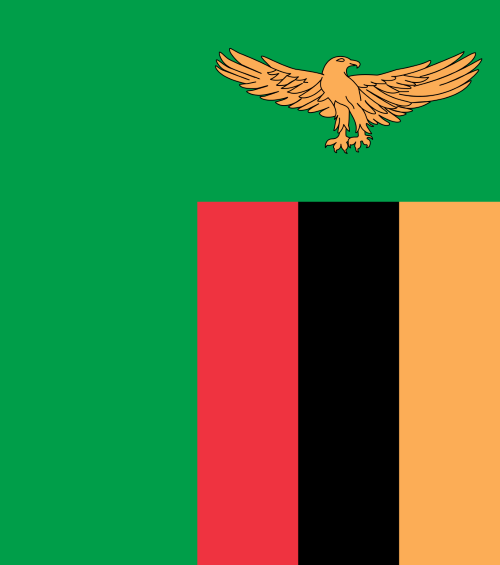
As the Union Jack was lowered and the new Zambian flag raised, jubilation spread throughout the country. The new flag, adorned with green fields, a red strip symbolizing the nation's struggle for freedom, and an orange eagle representing the country's ability to rise above obstacles, epitomized the nation's aspirations. Kenneth Kaunda was sworn in as the first President of Zambia, marking the commencement of the nation's journey towards sovereignty.
The impact of this transition was profound. Zambia's independence inspired neighboring countries in Southern Africa still grappling with colonial rule. On the economic front, the new government faced the enormous task of restructuring the economy to benefit its citizens, focusing on industries such as mining, agriculture, and infrastructure development.
This movement was not without its problems. Economic challenges, political instability, and regional conflicts required significant national and international cooperation. Nonetheless, Zambia's emergence as an independent republic marked a pivotal chapter in its history, setting the stage for future developments and growth.
#Independence #Zambia #Nationalism #AfricanHistory #KennethKaunda #MoofLife
Primary Reference
History of Zambia - Wikipedia
Explore the Life Moments of
 AI Twin