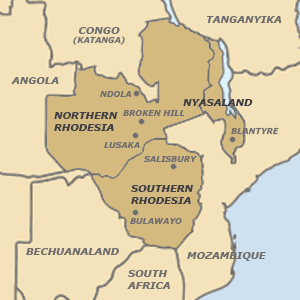
Central African Federation dissolution paves way for Northern Rhodesia independence.
Colonial Decolonization Movement
6 min read
Updated By: History Editorial Network (HEN)
Published:
The dissolution of the Central African Federation marked a critical juncture for Northern Rhodesia, paving the way for its future autonomy. The Federation, which comprised Northern Rhodesia, Southern Rhodesia, and Nyasaland, was established to unify these territories under a single administration. This arrangement aimed to foster economic development and strengthen colonial governance. However, it faced significant opposition from the local African populations who aspired for self-governance and independence.
The dissolution was driven by mounting pressure from African nationalist movements and changing geopolitical sentiments about colonial rule. Key political figures in Northern Rhodesia, such as Kenneth Kaunda of the United National Independence Party (UNIP), had been campaigning for an end to the Federation. The culmination of these efforts led to significant changes.
The end of the Federation allowed Northern Rhodesia to chart its course towards independence. This transition involved establishing a constitutional framework for a sovereign state. The United Nations and the British government played influential roles in facilitating this process. Northern Rhodesia's path towards self-rule saw the emergence of an African-led government, which signaled a shift from colonial administration to national governance.
The impacts of this dissolution were profound. It set the stage for Zambia’s independence, influencing socio-political dynamics in the region. The economy faced challenges during the transition, but the promise of self-governance energized the populace. Key sectors such as mining, particularly copper, were envisioned to spearhead economic development under the new national framework.
Statistically, the post-dissolution period saw increased political engagements and the establishment of structures necessary for a sovereign nation. The transition involved various legislative and administrative adjustments, aiming to align with the aspirations of the Zambian people. This period also witnessed the strengthening of diplomatic relations with international entities and neighboring African nations.
The event marked a pivotal restructuring in the region’s colonial landscape, ultimately contributing to the broader decolonization movement across Africa. The journey towards self-governance ignited a sense of national identity and pride among Northern Rhodesians, later known as Zambians.
#MoofLife #ColonialHistory #ZambiaIndependence #AfricanNationalism #DecolonizationMovement
Primary Reference
Federation of Rhodesia and Nyasaland - Wikipedia
Explore the Life Moments of
 AI Twin