Rise of the Luba Kingdom's Diverse Economy through Central African Trade
Economic Development.
6 min read
Updated By: History Editorial Network (HEN)
Published:
During a transformative period, the Luba Kingdom emerged, marking a pivotal point in the history of Central Africa. This event unfolded amidst the rich and diverse landscapes of the region, which would later be recognized as encompassing parts of modern-day Zambia. The establishment of the Luba Kingdom signified the rise of a centralized and influential power that would have lasting effects on the region's political and economic landscape.
The Luba Kingdom was founded under the leadership of a charismatic and strategic ruler who unified various tribes and clans. This unification was facilitated through the establishment of a strong political structure characterized by centralized authority and a hierarchical system. The governing framework of the Luba Kingdom allowed for effective administration and control over vast territories, fostering stability and cohesion among its diverse populations.
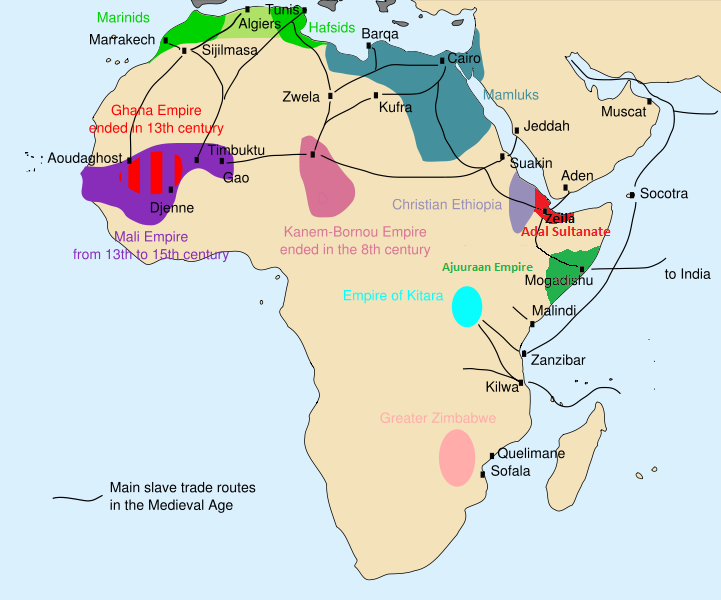
One of the critical factors contributing to the success and sustainability of the Luba Kingdom was its robust and multifaceted economy. The kingdom thrived on a diverse economy that leveraged its rich natural resources and strategic geographical position. Trade became the cornerstone of economic prosperity, with the Luba people engaging in extensive trade networks that spanned across Central Africa. These trade routes facilitated the exchange of goods such as salt, iron, copper, and agricultural products. The Luba people were skilled metallurgists, and their iron and copper craftsmanship were highly valued commodities that further boosted their economy.
The trade networks established by the Luba Kingdom not only enhanced economic growth but also fostered cultural exchange and interactions with neighboring regions. The kingdom became a melting pot of cultures, traditions, and technologies, contributing to its rich and diverse heritage. Moreover, the economic stability achieved through trade allowed the Luba Kingdom to invest in infrastructure, including road networks and storage facilities, which further facilitated trade and mobility within the region.
The foundation and growth of the Luba Kingdom had a profound impact on Central Africa. It set the stage for the rise of other powerful kingdoms and states in the region, fostering a legacy of political and economic development. The Luba Kingdom’s emphasis on trade and economic diversification served as a model for subsequent societies, illustrating the significance of strategic trade practices for regional prosperity.
#LubaKingdom #TradeNetwork #CentralAfrica #ZambiaHistory #MoofLife
Primary Reference
Africa Timeline | South African History Online

Explore the Life Moments of
 AI Twin