Treaty of Jeddah Defines Saudi Border
Jeddah, Saudi Arabia
International Relations
Geopolitics
7 min read
Updated By: History Editorial Network (HEN)
Published:
Updated:
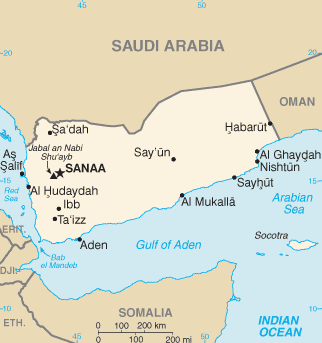
On 12/06/2000, the Republic of Yemen and the Kingdom of Saudi Arabia signed the Treaty of Jeddah, a bilateral agreement that formally established a permanent land and maritime boundary between the two countries. The treaty ended a territorial dispute that had continued for decades and had periodically contributed to political tension and armed clashes along the border regions.
The agreement was signed in the Saudi city of Jeddah by Yemeni President Ali Abdullah Saleh and Saudi Crown Prince Abdullah bin Abdulaziz, who later became king. The treaty finalized the demarcation of approximately 1,500 kilometres of shared border territory stretching from the Red Sea coast in the west through mountainous regions and into the Rub' al Khali, also known as the Empty Quarter desert, in the east. Maritime boundaries in the Red Sea were also addressed as part of the settlement.
One of the treaty’s central provisions was Yemen’s formal recognition of the Treaty of Taif of 1934, which had originally defined parts of the western border after a brief Saudi Yemeni war. In return, Saudi Arabia agreed to relinquish additional territorial and maritime claims beyond the Taif boundary line, helping both countries reach a mutually accepted settlement after years of negotiation.
The treaty also included arrangements designed to preserve the traditional movement of tribal and pastoral communities living near the frontier. A 20 kilometre pastoral zone was created on both sides of parts of the border, allowing shepherds from both countries continued access to grazing lands and water resources in accordance with long established tribal customs. These provisions aimed to reduce local tensions and limit disruption to cross border livelihoods.
Security measures formed another important component of the agreement. The treaty restricted the deployment of heavy military forces within 20 kilometres of certain sections of the border and limited activity in these areas mainly to mobile security patrols. The agreement also outlined future cooperation concerning the exploration and possible shared exploitation of natural resources and mineral wealth located near border areas.
The Treaty of Jeddah was widely viewed as a major diplomatic breakthrough in relations between Yemen and Saudi Arabia. Previous disagreements over undefined territory had contributed to instability for much of the twentieth century, including military confrontations and competing territorial claims. By establishing internationally recognized borders, the treaty created a framework for improved bilateral cooperation and reduced the immediate risk of border conflict.
Historical Significance
The Treaty of Jeddah marked one of the most consequential diplomatic agreements between Yemen and Saudi Arabia in modern history. By formally settling the border dispute after more than six decades, the treaty helped stabilize one of the Arabian Peninsula’s longest contested frontiers and provided a legal framework that continued to influence regional relations in the years that followed.
#mooflife
#MomentOfLife
#TreatyOfJeddah
#SaudiArabia
#Yemen
#BorderAgreement
#GeopoliticalRelations
Primary Reference
Treaty of Jeddah (2000)

Explore the Life Moments of
 AI Twin