The Sasanid Empire's annexation of Aden
Yemen and Aden, South Arabia
Politics
Middle East
6 min read
Updated By: History Editorial Network (HEN)
Published:
Updated:
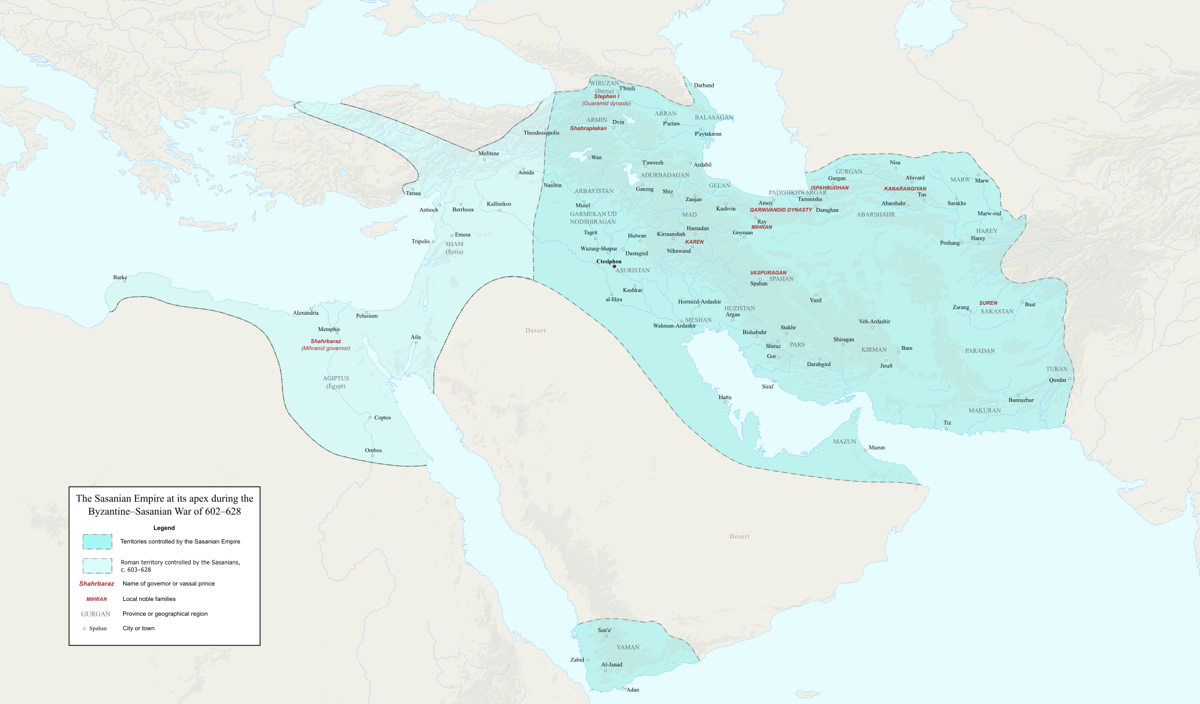
In 570 CE, the Sasanian Empire annexed Yemen after a military expedition led by the Persian general Vahrez, ending decades of Aksumite Ethiopian rule in South Arabia. The campaign brought major Yemeni territories, including the important port city of Aden, under Sasanian influence and established what historians often describe as the period of “Sasanian Yemen,” which continued until the arrival of Islam in the early 7th century.
Before the Persian intervention, Yemen had been controlled by the Christian Aksumite Kingdom based in present day Ethiopia and Eritrea. Aksumite forces had entered Yemen earlier in the 6th century following conflicts involving local rulers and religious tensions between Jewish and Christian communities. However, Aksumite authority became increasingly unstable, and opposition emerged among Yemeni groups dissatisfied with foreign rule.
One of the central figures behind the Persian intervention was Sayf ibn Dhi Yazan, a Yemeni noble who sought assistance from the Sasanian ruler Khosrow I to expel the Aksumites. Responding to this request, the Sasanians dispatched a military force under the command of Vahrez. Historical accounts describe how the Persian expedition crossed the Red Sea and defeated the Aksumite administration in Yemen, leading to the restoration of Sayf ibn Dhi Yazan as a client ruler under Persian protection.
After Sayf ibn Dhi Yazan’s death, the Sasanians gradually expanded direct control over Yemen through Persian governors and military administrators. Aden and other Red Sea ports gained strategic importance because they connected maritime trade routes between the Indian Ocean, Arabia, East Africa, and the Mediterranean world. Persian influence also introduced administrative and military changes, while Persian settlers and officials known as the Abna' became established in parts of Yemen.
The Sasanian presence in Yemen lasted until around 630 CE, when the Persian governor Badhan and many local elites accepted Islam during the lifetime of the Prophet Muhammad. This peaceful transition integrated Yemen into the emerging Islamic state while ending direct Sasanian political authority in Arabia.
Historical Significance
The Sasanian conquest of Yemen in 570 CE reshaped the balance of power in southern Arabia during the late antique period. Control of Yemen’s ports and trade routes gave the Sasanians a strategic position near the Red Sea and Indian Ocean, while the end of Aksumite rule altered political and religious dynamics across the Arabian Peninsula shortly before the rise of Islam.
#mooflife
#MomentOfLife
#Yemen
#SasanidEmpire
#Autonomy
#Governance
#Islam
Primary Reference
Sasanian Yemen

Explore the Life Moments of
 AI Twin