North and South Yemen War
Yemen
Historical Conflicts
Middle Eastern Politics
International Relations
7 min read
Updated By: History Editorial Network (HEN)
Published:
Updated:
On 26/09/1962, military officers in North Yemen launched a coup that overthrew the Mutawakkilite Kingdom of Yemen and declared the creation of the Yemen Arab Republic (YAR). Known as the September 26 Revolution, the uprising ended centuries of rule by the Zaydi Imamate and transformed the political structure of northern Yemen. The revolution also triggered the North Yemen Civil War, which continued until 1970 and became one of the Middle East’s major Cold War era conflicts.
The coup took place shortly after the death of Imam Ahmad bin Yahya in September 1962. His son, Imam Muhammad al Badr, inherited leadership of the kingdom, but opposition had already been growing among military officers and Arab nationalist groups inspired by Egyptian President Gamal Abdel Nasser and broader republican movements across the Arab world. In the early hours of 26/09/1962, republican officers led by Abdullah al Sallal seized key military and government installations in Sana'a and announced the abolition of the monarchy.
Soon after the coup, the new republican leadership proclaimed the Yemen Arab Republic and appointed Abdullah al Sallal as president. The republican government received rapid recognition and support from Egypt, which deployed thousands of troops and military advisers to Yemen in support of the new regime. Royalist forces loyal to Imam al Badr, however, regrouped in northern tribal regions and launched an armed resistance campaign aimed at restoring the monarchy.
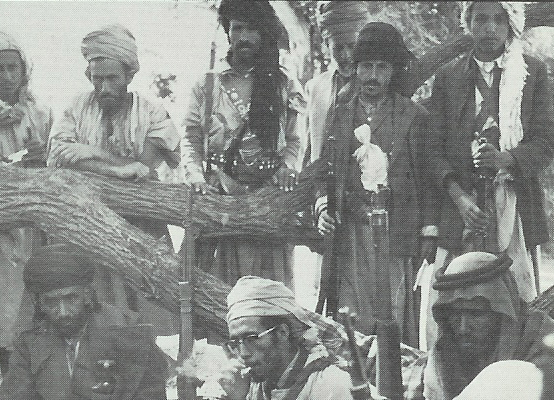
The conflict quickly evolved into a prolonged civil war between republican and royalist factions. Egypt became the principal supporter of the republicans, while Saudi Arabia and several regional allies provided assistance to royalist fighters. The war involved large scale military operations, tribal alliances, guerrilla warfare, sieges, and extensive foreign involvement. At its height, Egypt reportedly stationed tens of thousands of troops in Yemen, making the conflict one of Cairo’s largest overseas military interventions during the 1960s.
One of the defining moments of the war came during the Siege of Sana'a between 1967 and 1968, when republican defenders successfully resisted royalist attempts to capture the capital after Egyptian forces withdrew following the Arab Israeli War of 1967. Although the fighting continued for several more years, the republicans ultimately retained control, and Saudi Arabia formally recognized the Yemen Arab Republic in 1970 as part of a reconciliation agreement that ended the conflict.
The September 26 Revolution remains one of the foundational events in modern Yemeni history. In North Yemen, the date became a national holiday commemorating the establishment of republican rule and the end of the hereditary Imamate system.
Historical Significance
The September 26 Revolution reshaped northern Yemen’s political identity by replacing the centuries old Imamate with a republican government. The conflict that followed also reflected the wider ideological and geopolitical rivalries of the Cold War, drawing regional powers into a prolonged struggle over the future direction of Yemen and the Arab world.
#mooflife
#MomentOfLife
#YemenWar
#NorthYemen
#SouthYemen
#ArabLeague
#GeopoliticalConflict
Primary Reference
North Yemen civil war

Explore the Life Moments of
 AI Twin