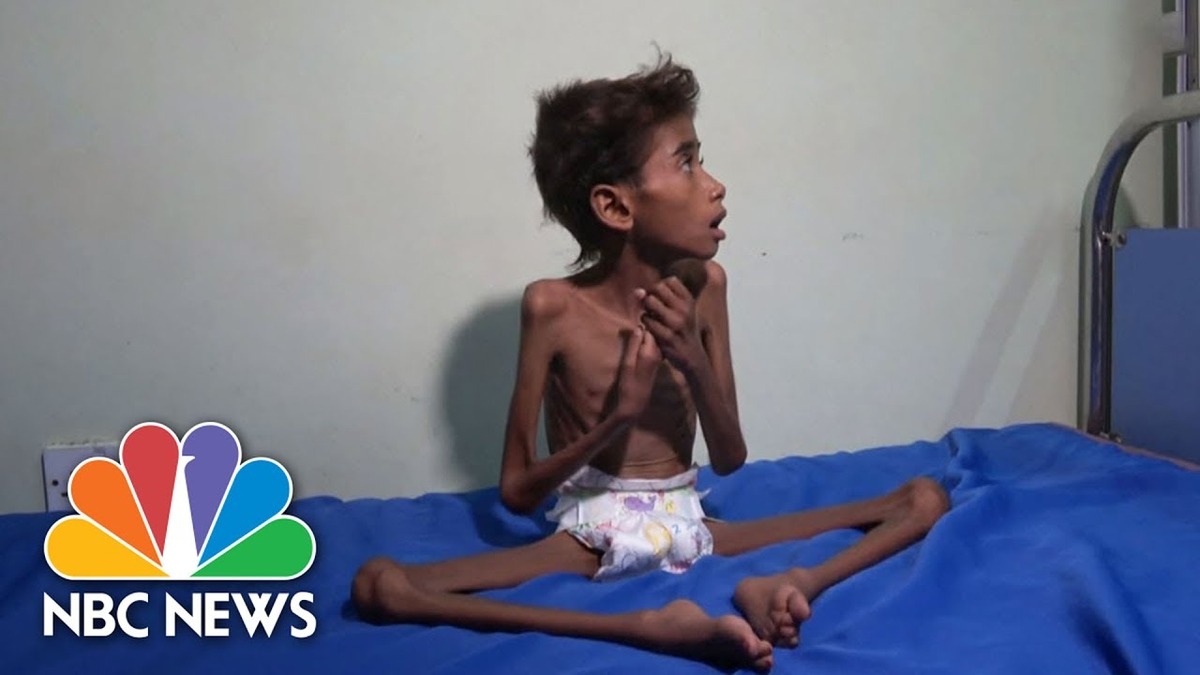
Cholera and famine in Yemen
Yemen
Public Health
International Conflict
Humanitarian Crisis
8 min read
Updated By: History Editorial Network (HEN)
Published:
Updated:
In late 2016, Yemen experienced a worsening humanitarian disaster as a major cholera outbreak spread across the country while millions of people faced severe food insecurity linked to the ongoing civil war. By October 2016, the United Nations warned that Yemen was “one step away from famine,” with the conflict’s destruction of infrastructure, healthcare systems, and economic institutions contributing to what international agencies described as one of the world’s most serious humanitarian emergencies.
The cholera outbreak began in late September and early October 2016, initially emerging in the Yemeni capital, Sana’a. Within weeks, suspected cases spread rapidly to multiple governorates as water systems, sanitation facilities, and medical services struggled under years of conflict and blockade conditions. By December 2016, the disease had reached 15 of Yemen’s 22 governorates. Public health officials reported thousands of suspected infections during the outbreak’s first wave, which peaked in mid December with nearly 2,000 suspected cases being recorded weekly.
Children under the age of five were among the most vulnerable groups affected by the epidemic. Medical organizations and humanitarian agencies linked the outbreak to contaminated water supplies, overcrowded displacement conditions, and the collapse of basic public health infrastructure. Hospitals and clinics across Yemen faced shortages of medicine, fuel, equipment, and trained personnel, while many facilities had either closed or reduced operations because of airstrikes, shelling, and financial collapse.
At the same time, Yemen’s food crisis intensified sharply during 2016. Humanitarian agencies estimated that approximately 14 million people, nearly half of the country’s population, were experiencing food insecurity by the end of the year. Large numbers of families struggled to obtain basic food supplies as prices increased and incomes disappeared. The conflict disrupted imports, agriculture, transportation, and commercial activity in a country that depended heavily on imported food and fuel before the war.
The economic collapse further deepened the humanitarian emergency. Public sector salaries in many regions went unpaid for months after the Yemeni central bank became politically divided between rival authorities. Healthcare workers, teachers, and civil servants often continued working without wages or abandoned their posts altogether. International organizations also reported a sharp rise in child malnutrition and warned that weakened immune systems made many Yemenis more vulnerable to cholera and other preventable diseases.
The war, which escalated after the Saudi led coalition intervened in March 2015 against Houthi forces, caused extensive damage to Yemen’s infrastructure, including roads, ports, hospitals, and water systems. Restrictions on imports and continued fighting around major transport routes complicated the delivery of humanitarian aid. Aid agencies repeatedly warned that unless access to food, fuel, medicine, and clean water improved, both famine conditions and disease outbreaks would continue spreading across the country.
By the close of 2016, Yemen’s humanitarian crisis had become one of the largest in the world, with millions requiring emergency assistance. The cholera outbreak that began during this period later evolved into a much larger epidemic in 2017, eventually infecting hundreds of thousands of people across Yemen.
Historical Significance
The convergence of famine conditions and cholera in 2016 demonstrated how Yemen’s civil war extended beyond military conflict into a nationwide collapse of public health and economic systems. The crisis highlighted the direct connection between warfare, infrastructure destruction, and the rapid spread of preventable disease among civilian populations.
#mooflife
#MomentOfLife
#Yemen
#Cholera
#Famine
#HumanitarianCrisis
#WarImpact
Primary Reference
Oxfam Yemen Situation Report #30, 30 October 2016

Explore the Life Moments of
 AI Twin