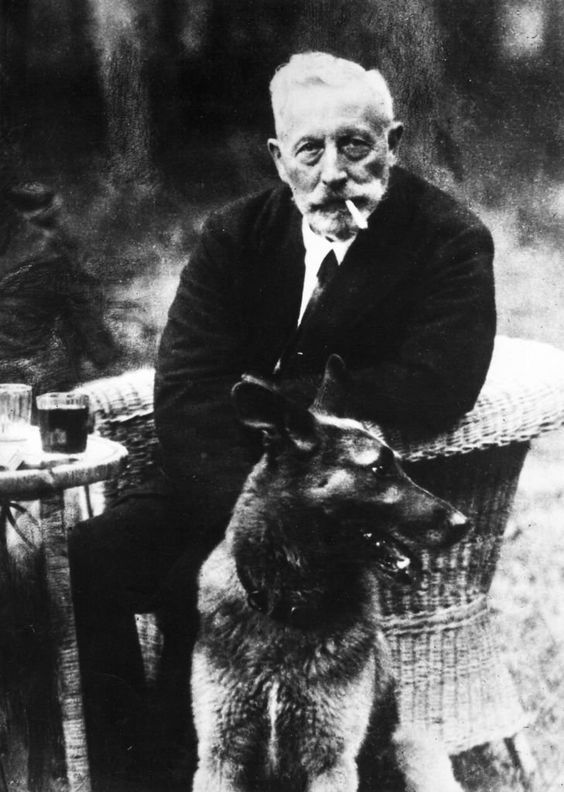
Wilhelm II's Asylum in the United Kingdom
Germany

'%3e%3cpath fill='%23012169' d='M0 0v30h60V0z'/%3e%3cpath stroke='%23fff' stroke-width='6' d='m0 0 60 30m0-30L0 30'/%3e%3cpath stroke='%23C8102E' stroke-width='4' d='m0 0 60 30m0-30L0 30' clip-path='url(%23b)'/%3e%3cpath stroke='%23fff' stroke-width='10' d='M30 0v30M0 15h60'/%3e%3cpath stroke='%23C8102E' stroke-width='6' d='M30 0v30M0 15h60'/%3e%3c/g%3e%3c/svg%3e)
Politics
Royalty
3 min read
Updated By: History Editorial Network (HEN)
Published:
Updated:
During a period of escalating conflict in Europe, the former German Emperor Wilhelm II, who had abdicated and fled to the Netherlands, was offered asylum in the United Kingdom by Prime Minister Winston Churchill. This offer came at a time when Germany was expanding its military operations, including the occupation of Luxembourg. Churchill's proposal was significant as it highlighted the precarious position of European monarchs and leaders in the face of rising totalitarian regimes. Wilhelm II's decision to decline the asylum offer was influenced by various factors, including his desire to maintain a sense of dignity and his complex relationship with the German military and political landscape. His refusal to accept asylum in the UK underscored his commitment to his own legacy and the hope of a potential return to power in Germany, despite the changing tides of war. The implications of this decision were profound, as it reflected the broader struggles of former leaders in a rapidly transforming Europe, where traditional monarchies were increasingly challenged by democratic and authoritarian movements alike. The offer of asylum also illustrated the strategic considerations of the UK government, which was keen to distance itself from the former Kaiser while simultaneously navigating the complexities of international relations during wartime.
#mooflife
#MomentOfLife
#WilhelmIi
#Churchill
#Asylum
#WorldWarIi
#EuropeanHistory
Primary Reference
Wilhelm II

Explore the Life Moments of
 AI Twin