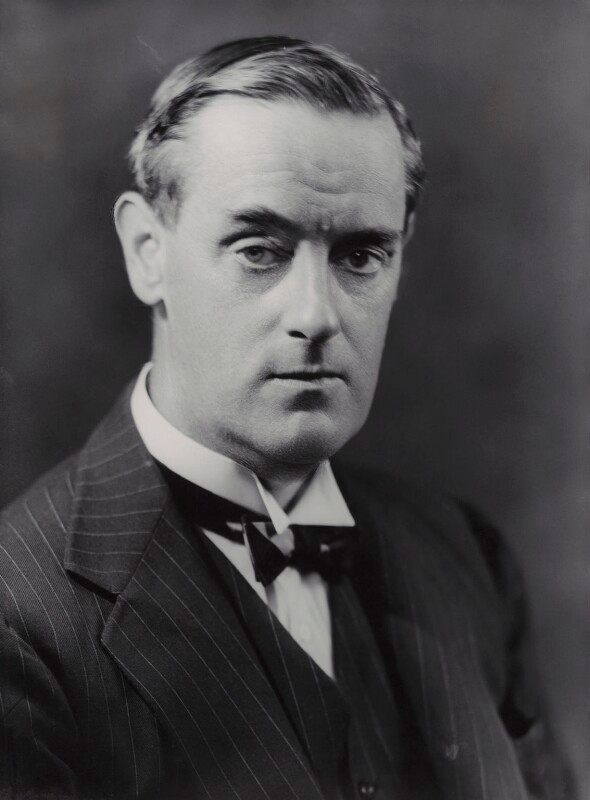
Viceroy of India postpones Federation plans
Germany
Political History
Colonial Administration
Indian Independence Movement
4 min read
Updated By: History Editorial Network (HEN)
Published:
Updated:
The Viceroy of India, Lord Linlithgow, announced the postponement of the Federation of India plans to the Indian Legislature, which comprises the Council of State and the Legislative Assembly. This decision came amidst a complex political landscape in India, where the demand for self-governance was growing stronger. The Federation of India was initially proposed as a means to unify the various provinces and princely states under a central government, aiming to provide a framework for greater autonomy and representation for Indian citizens. However, the postponement indicated a significant setback in the constitutional development process and reflected the challenges faced by British authorities in managing the diverse political aspirations of Indian society. The announcement was met with disappointment among Indian political leaders who had been advocating for a more inclusive governance structure that would address the needs and rights of various communities across the subcontinent.
The impact of this decision was profound, as it contributed to rising tensions between Indian nationalists and British colonial authorities. The postponement of the Federation plans was perceived as a failure to recognize the urgency of India's demand for self-rule, leading to increased mobilization among various political factions. This period saw the emergence of more radical elements within the Indian independence movement, as leaders sought to challenge British authority more aggressively. The postponement also had implications for the relationship between different political groups in India, as it highlighted the divisions between those advocating for immediate independence and those willing to negotiate with the British for gradual reforms. Overall, the decision to postpone the Federation of India plans marked a critical juncture in the struggle for Indian independence, setting the stage for future confrontations and negotiations between Indian leaders and the British government.
#mooflife
#MomentOfLife
#ViceroyOfIndia
#FederationOfIndia
#IndianLegislature
#LordLinlithgow
#IndianIndependenceMovement
Primary Reference
Victor Hope, 2nd Marquess of Linlithgow

Explore the Life Moments of
 AI Twin