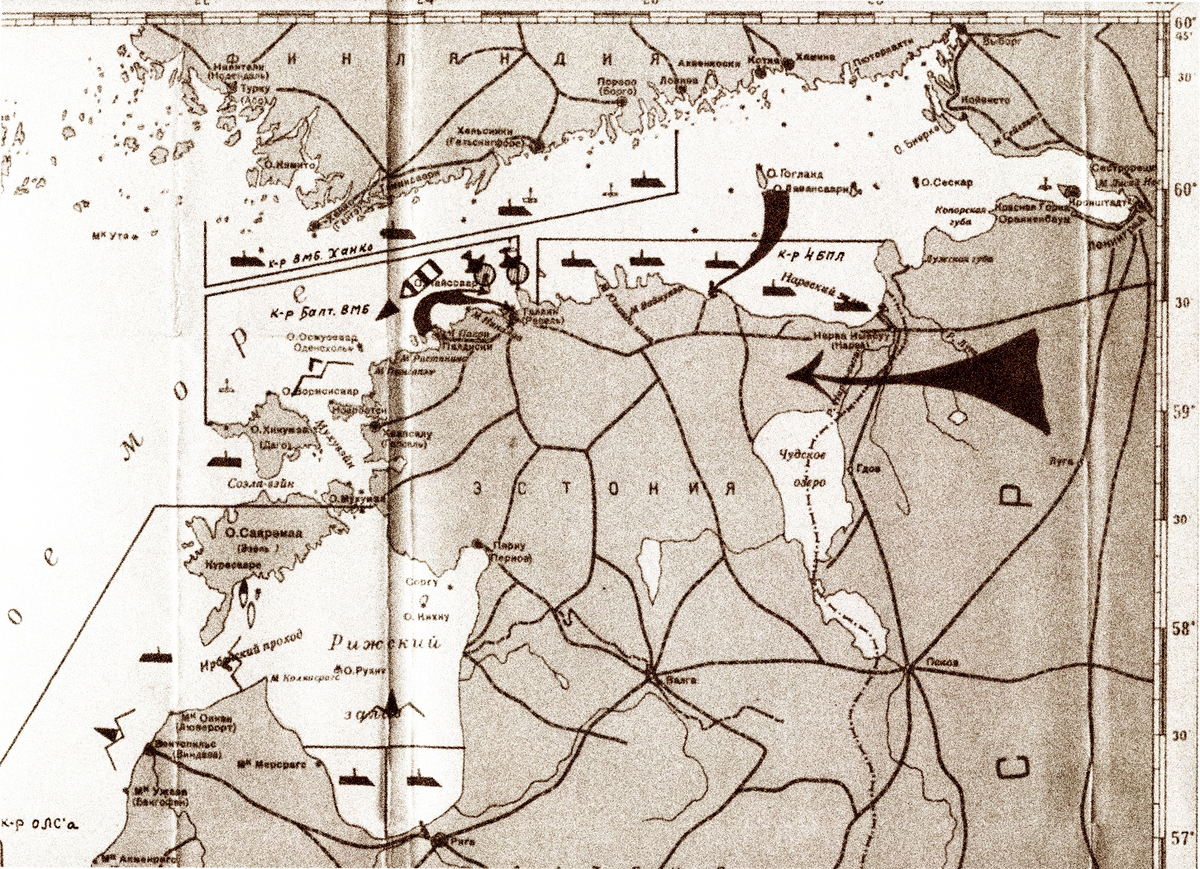
USSR Annexes Estonia
Germany


Politics
4 min read
Updated By: History Editorial Network (HEN)
Published:
Updated:
The annexation of Estonia by the USSR was part of a broader strategy to expand Soviet influence in the Baltic region. Following the Molotov-Ribbentrop Pact, a non-aggression treaty between the USSR and Nazi Germany, the Baltic states, including Estonia, were effectively placed within the Soviet sphere of influence. This agreement allowed the USSR to exert control over these nations without facing immediate opposition from Germany. The annexation was characterized by the establishment of Soviet governance, which included the imposition of communist ideology and the restructuring of political and economic systems. The move was met with resistance from the Estonian population, many of whom opposed Soviet rule and sought to maintain their national identity and independence. The impact of the annexation was profound, leading to significant changes in the social and political landscape of Estonia. The Soviet regime implemented policies that aimed to suppress dissent and promote loyalty to the state, resulting in widespread repression, including the arrest and deportation of political opponents. Statistics indicate that thousands of Estonians were forcibly relocated to Siberia and other remote areas, leading to a demographic shift and long-lasting trauma within the society. The annexation also had lasting implications for Estonia's international relations, as it became a focal point of Cold War tensions between the East and West, influencing the geopolitical dynamics of the region for decades to come.
#mooflife
#MomentOfLife
#Ussr
#Estonia
#Annexation
#BalticStates
#ColdWar
Primary Reference
Occupation of the Baltic states

Explore the Life Moments of
 AI Twin