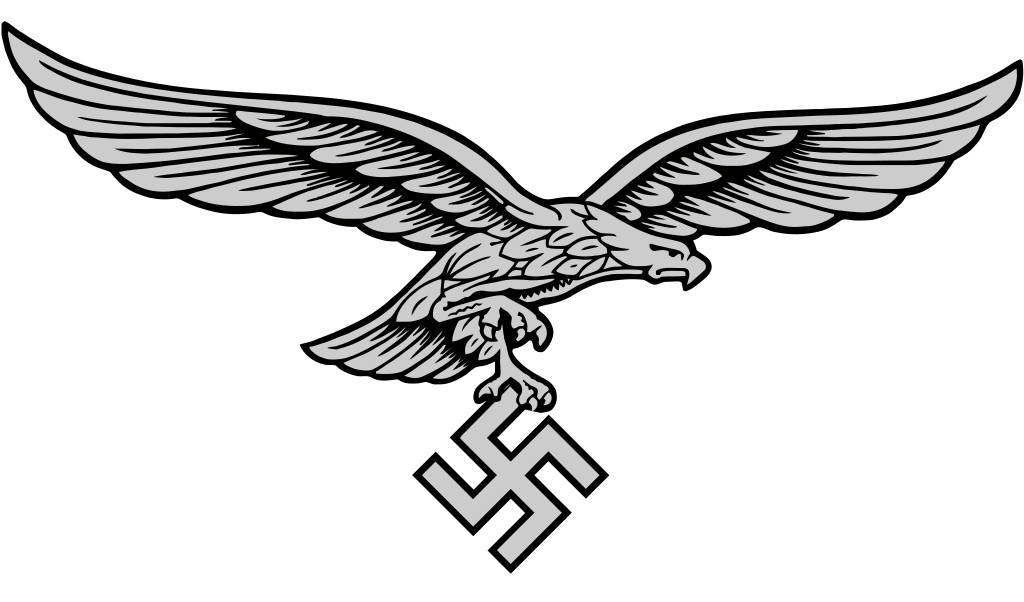
Luftwaffe Attacks on Home Fleet Overview
Germany
Military History
World War II
Aviation
4 min read
Updated By: History Editorial Network (HEN)
Published:
Updated:
The Luftwaffe's attacks on the Home Fleet were part of a broader strategy to disrupt British naval operations during the early stages of the conflict. The Home Fleet, stationed between Scotland and the Skaggerak, was a critical component of Britain's maritime defense. The Luftwaffe aimed to weaken this fleet through aerial assaults, although these efforts met with limited success. One notable incident involved the downing of a Dornier Do 18 by a Blackburn Skua from the aircraft carrier HMS Ark Royal. This event marked a significant achievement for the Fleet Air Arm, as it represented the first German aircraft shot down by British forces. The engagement underscored the evolving nature of naval warfare, where air power began to play a crucial role in maritime engagements.
The impact of these Luftwaffe attacks was multifaceted. While the Luftwaffe struggled to achieve decisive victories against the Home Fleet, the attempts highlighted the importance of air superiority in naval operations. The British response, exemplified by the successful interception of the Dornier Do 18, demonstrated the effectiveness of the Fleet Air Arm and the strategic value of aircraft carriers in providing air cover for naval forces. The ongoing conflict between the Luftwaffe and the Home Fleet set the stage for future engagements, as both sides adapted their tactics in response to the challenges posed by aerial warfare. The limited success of the Luftwaffe's operations against the Home Fleet ultimately contributed to the broader narrative of the naval battles that characterized the early years of the war.
#mooflife
#MomentOfLife
#Luftwaffe
#HomeFleet
#HmsArkRoyal
#DornierDo18
#FleetAirArm
Primary Reference
Luftwaffe

Explore the Life Moments of
 AI Twin